Streams & Ponds
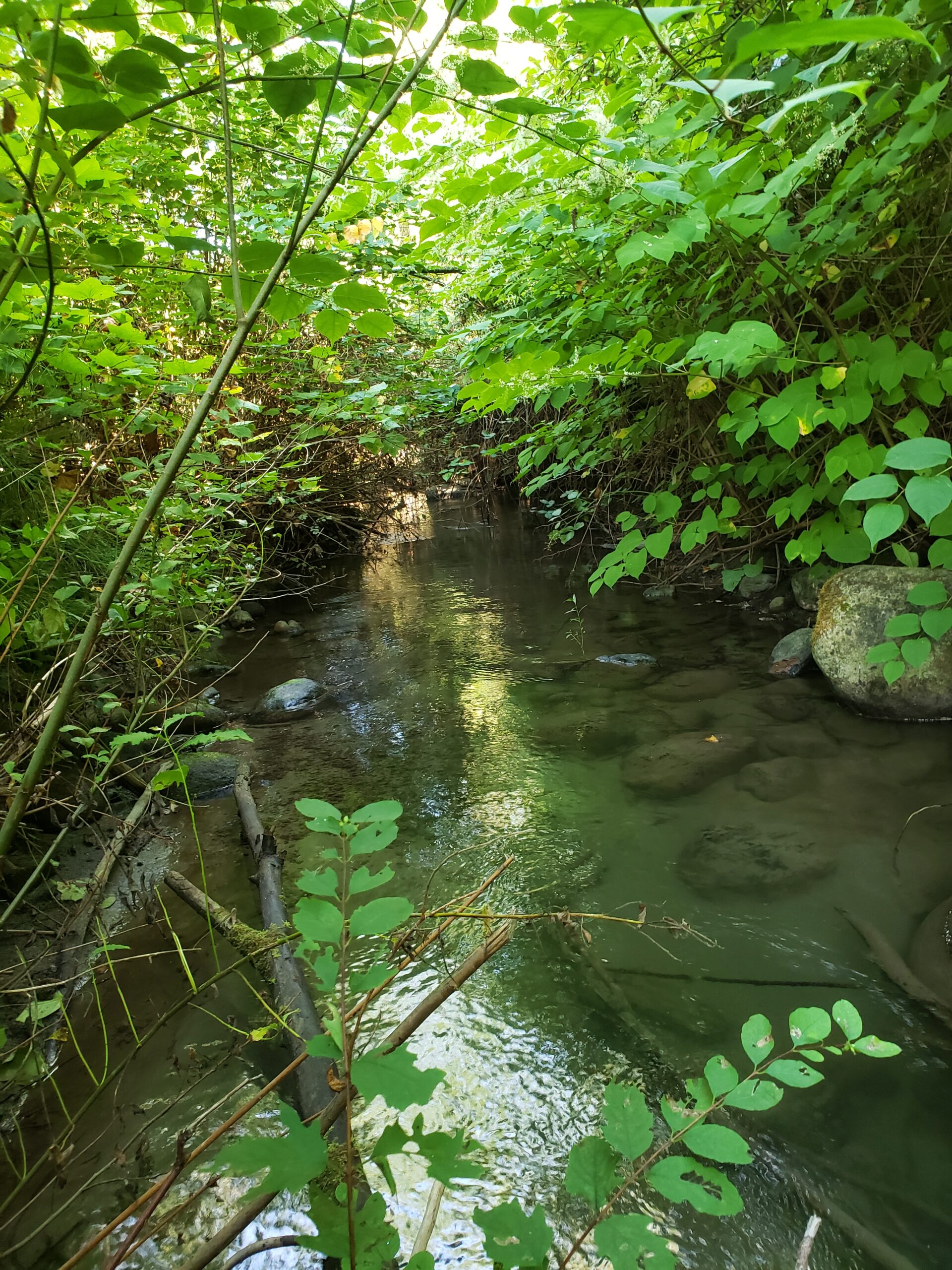
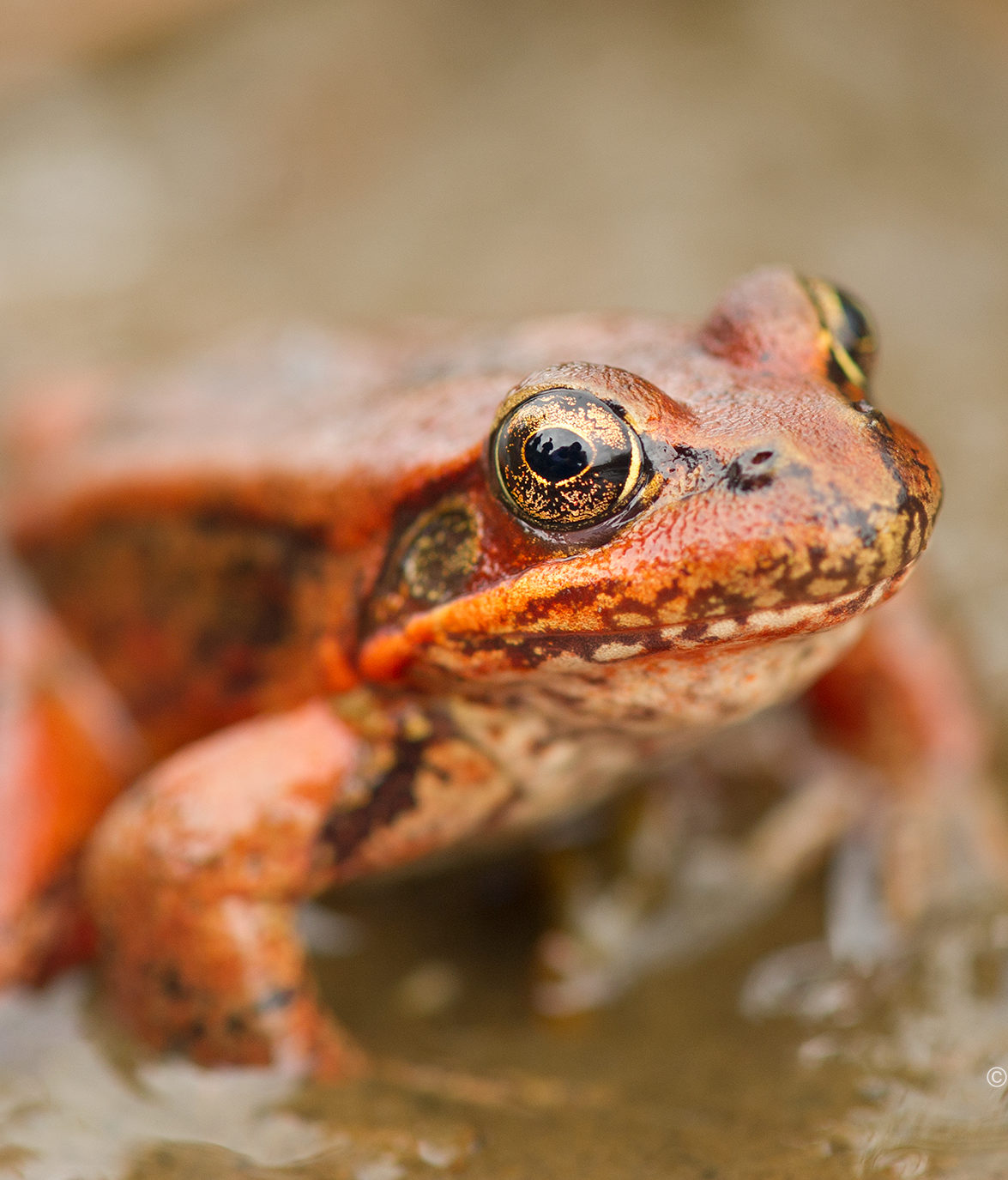
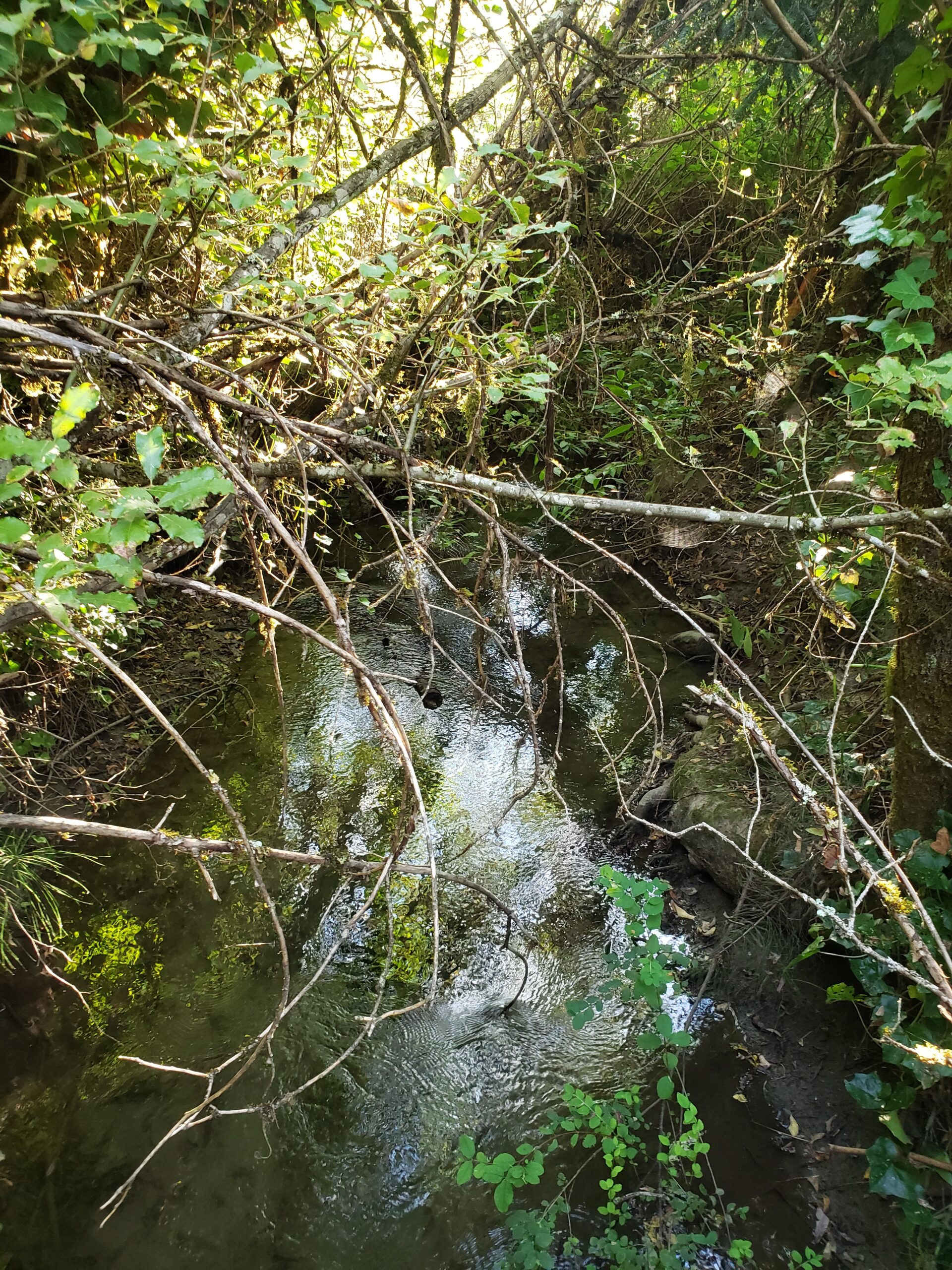
Ryder Creek flows through the property. This stream along with ponds and ephemeral channels, provide aquatic and riparian habitat supporting salmon, as well as amphibians, and other wildlife.
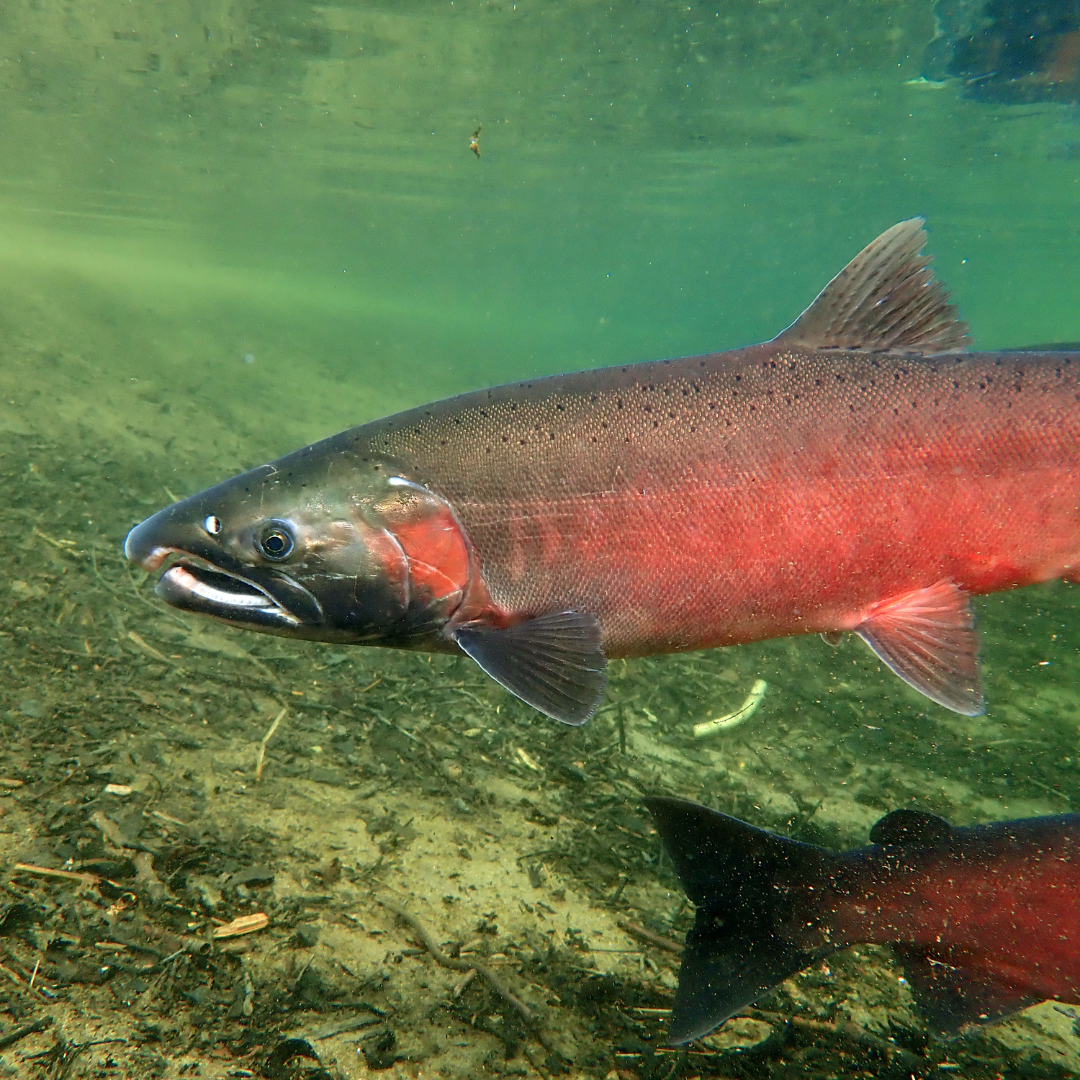
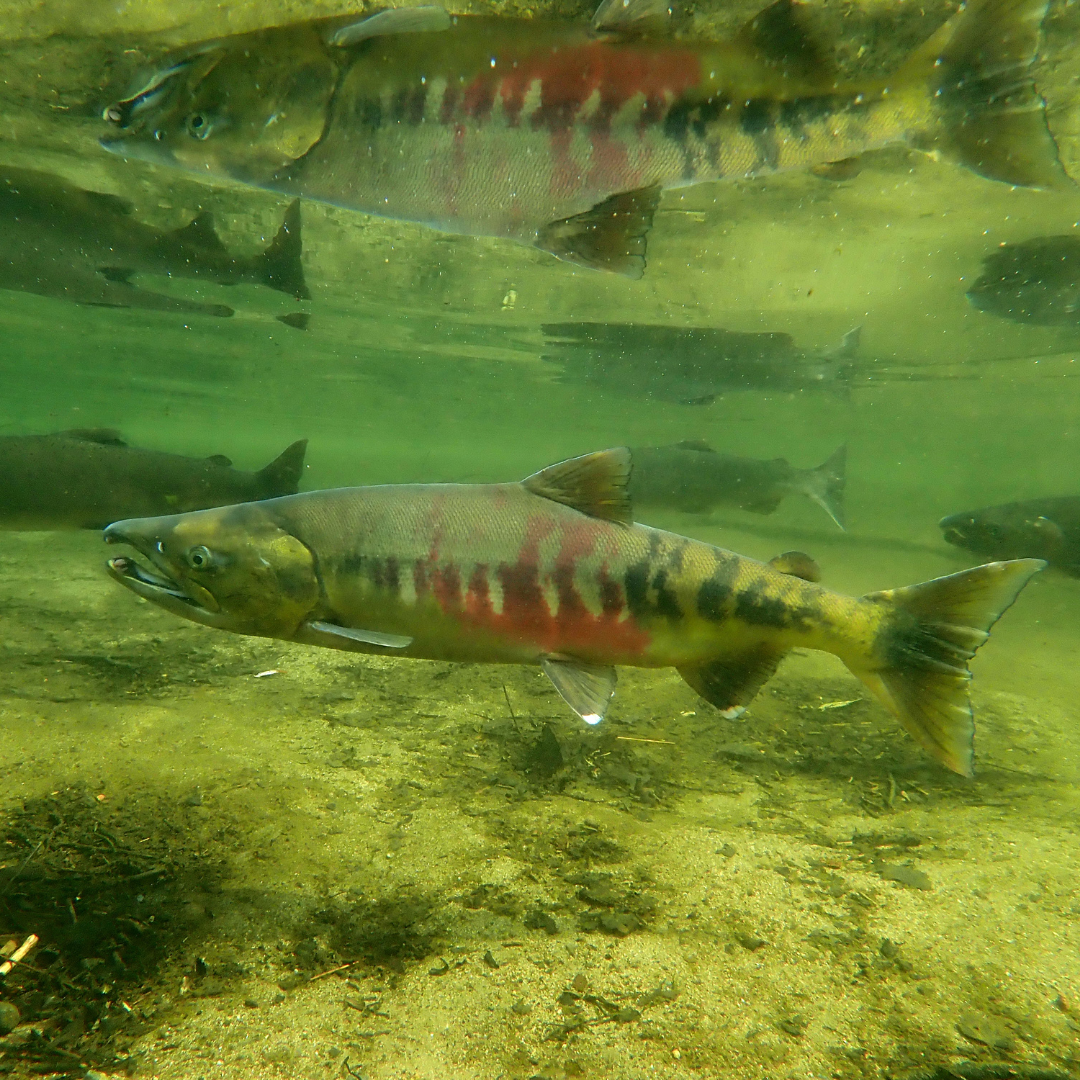
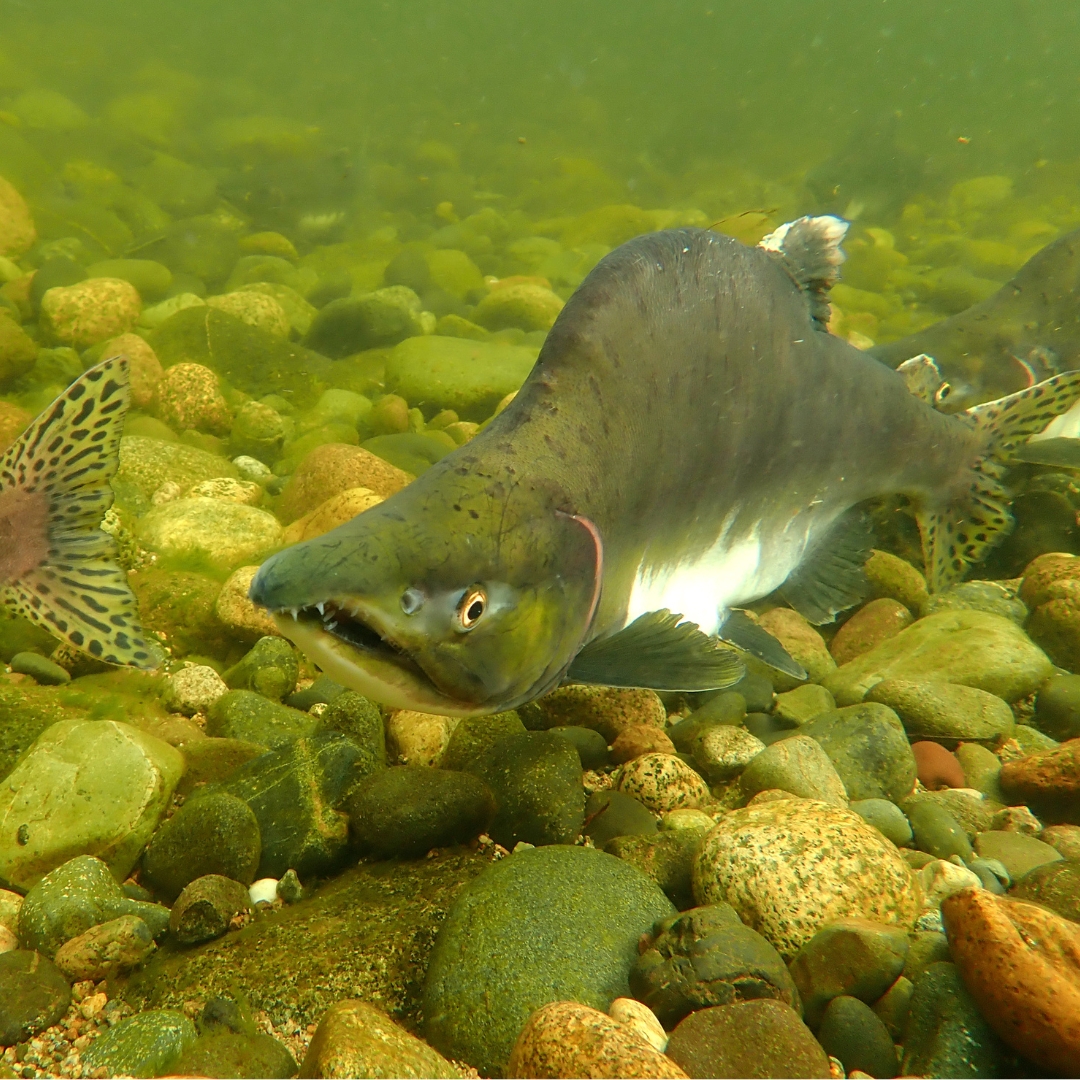
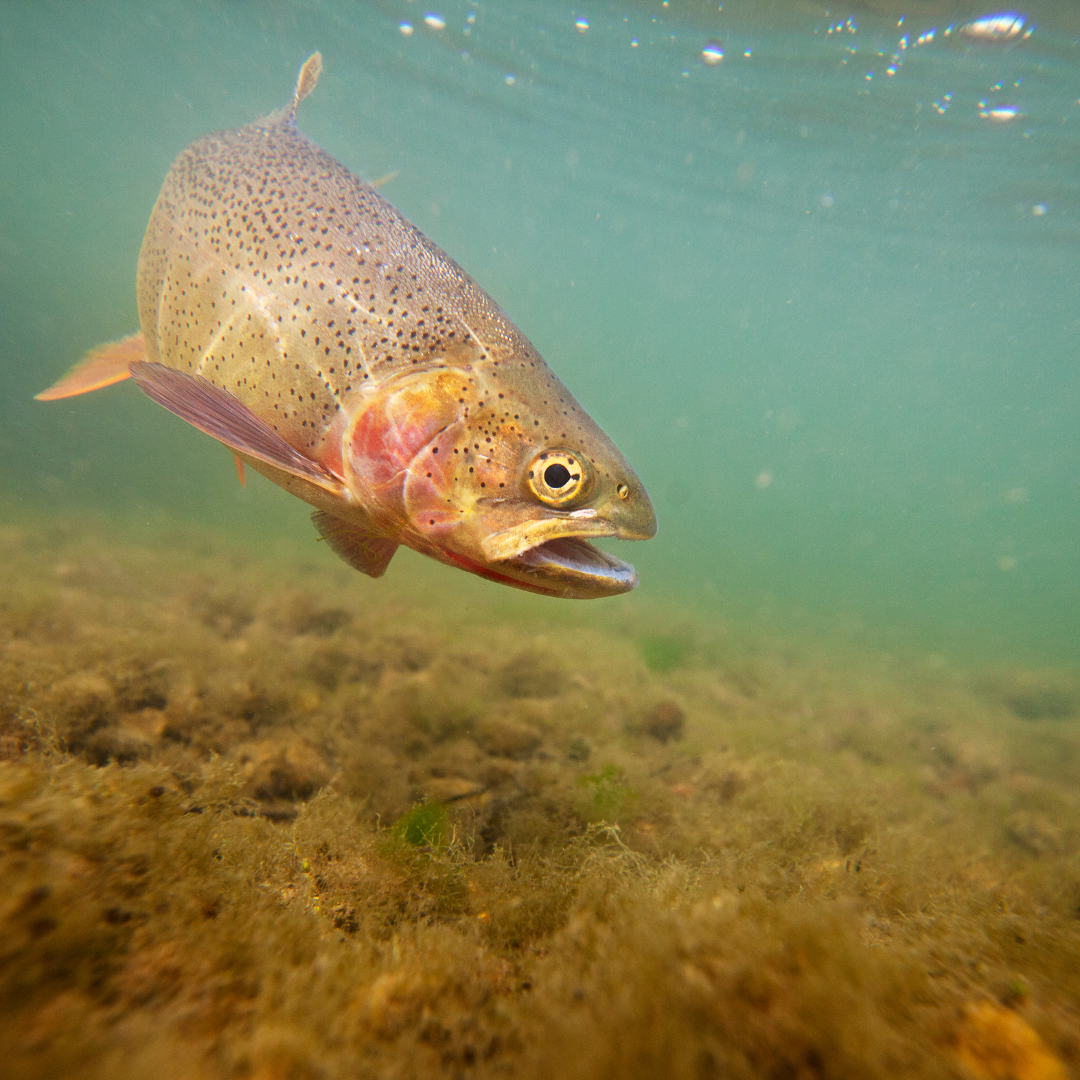
Ryder Creek feeds directly into the Chilliwack River. Streams in this watershed provide spawning and rearing habitat for coho, chum and pink salmon. Other fish, including steelhead and rainbow trout, have also been known to use streams and ponds within the Chilliwack River Valley as overwintering habitat.
Protecting the habitat within and around these streams is crucial to their long-term survival. Our Ryder Creek property does this by preventing further development near this portion of creek. This also benefits the Chilliwack River downstream.
The property’s protection creates a corridor for wildlife on their migration between the crown land to the north and the provincial park to the south.
As habitat in the region shrinks because of development, naturalized corridors, like our Ryder Creek property, will become more important in the future.
Fraser Valley Conservancy staff and board members
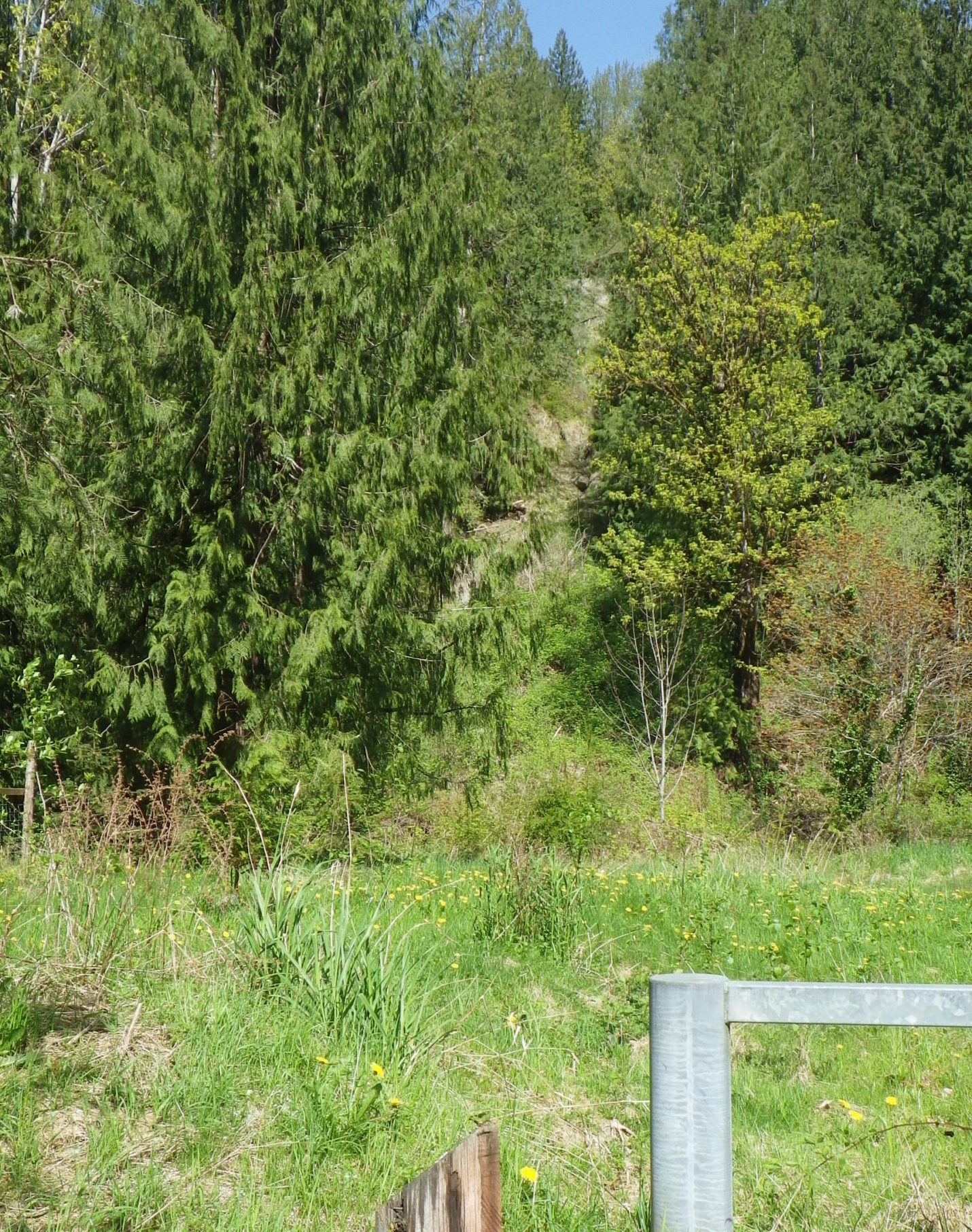
The property was a private residence until January of 2009 when an extreme weather event took place. Heavy rain and snow pack caused a landslide on the north side of Ryder Creek. The debris blocked the waterway, causing their home to flood. Downstream fish habitat was damaged by the buildup of debris.
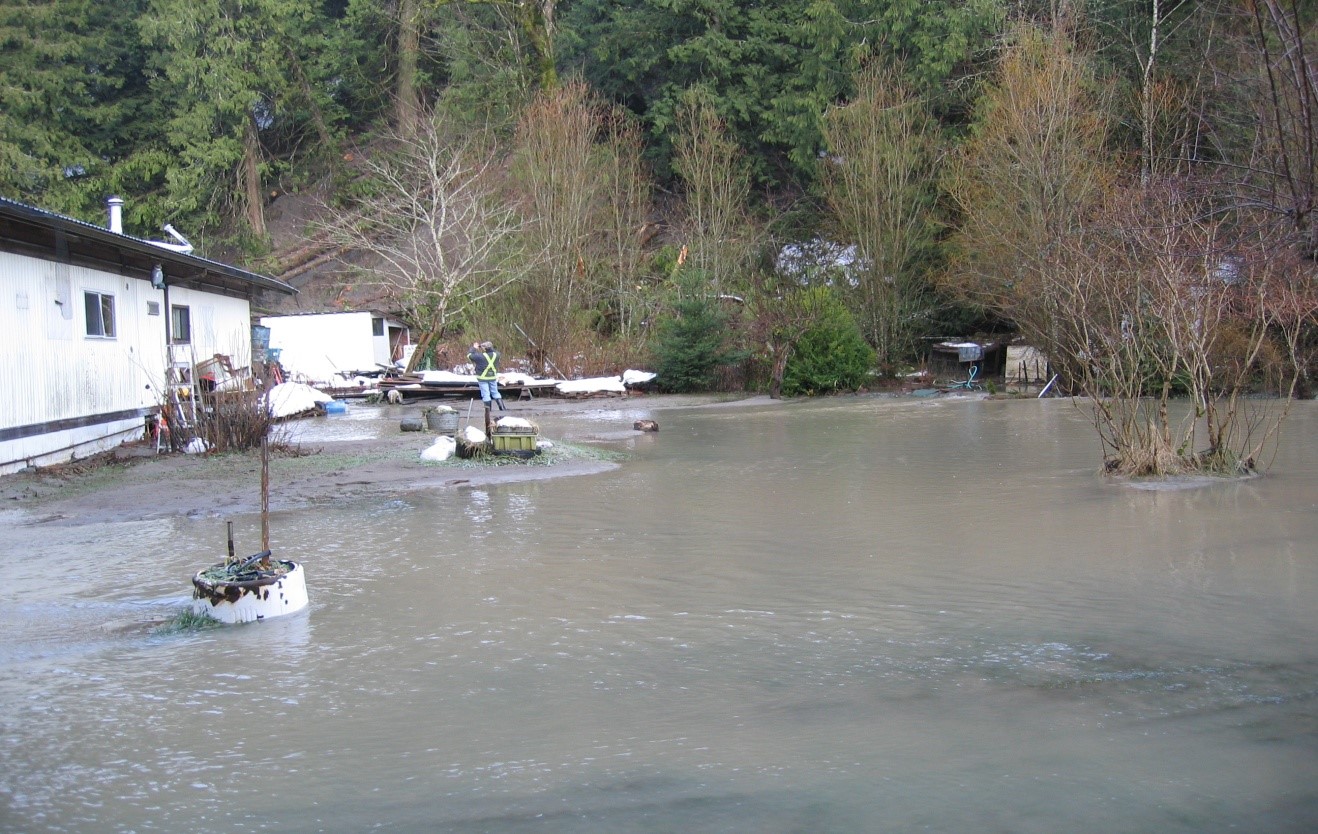
A state of emergency was declared. An excavator was brought in to clear the creek of debris. The property was designated as unsafe for human habitation and evacuated after geotechnical engineers declared the slope was unstable and prone to a similar slide in the future.
The land was purchased from those residence by the Fraser Valley Regional District (FVRD) and held until a plan for it could be created. It was then transferred to the FVC as our third acquisition. The FVC has the ability to help restore the habitat quality of the creek and protect the property as habitat for fish and other wildlife into the future.
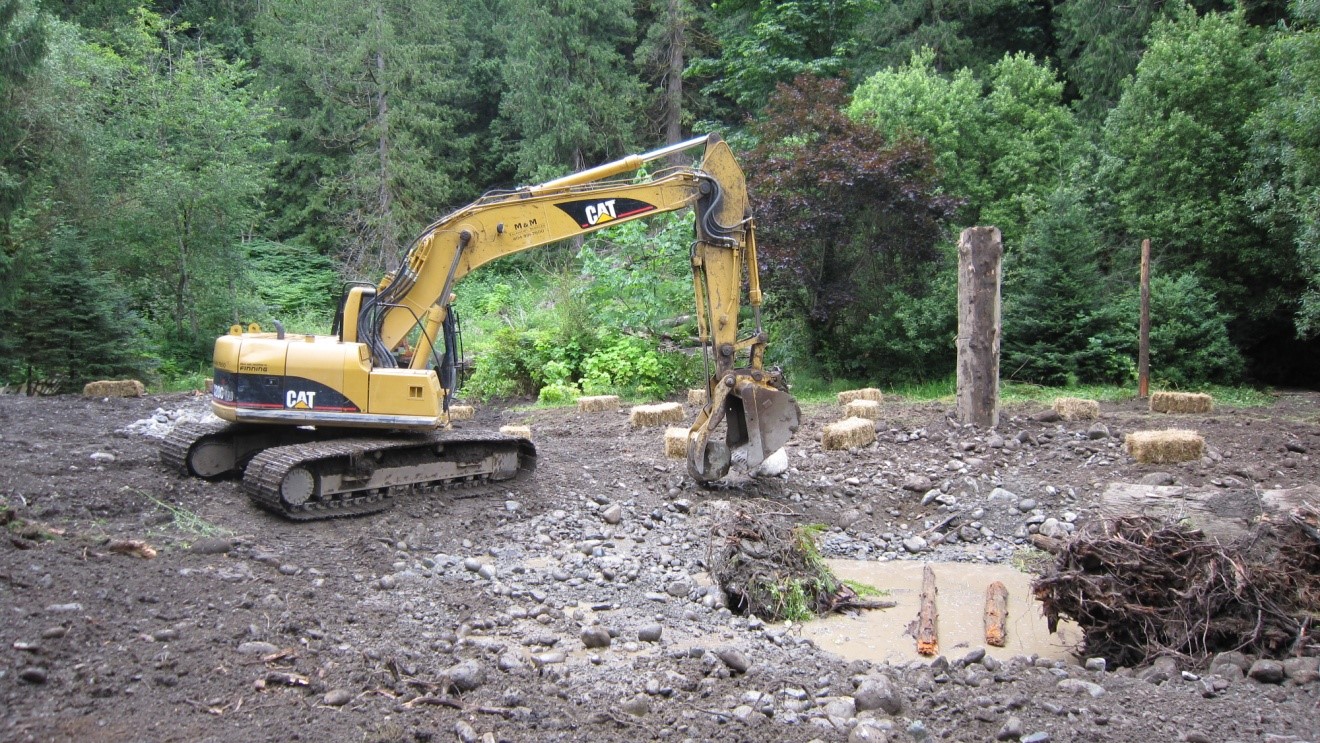
In 2011, the FVC and the Chilliwack River Action Committee (CRAC) partnered to create a restoration project for the site. The goal was to reclaim the property to a natural state. With the help of volunteers, debris and old sheds and fencing were removed. The land was enhanced with natural materials, created a more complex habitat, and new native trees and shrubs were planted.
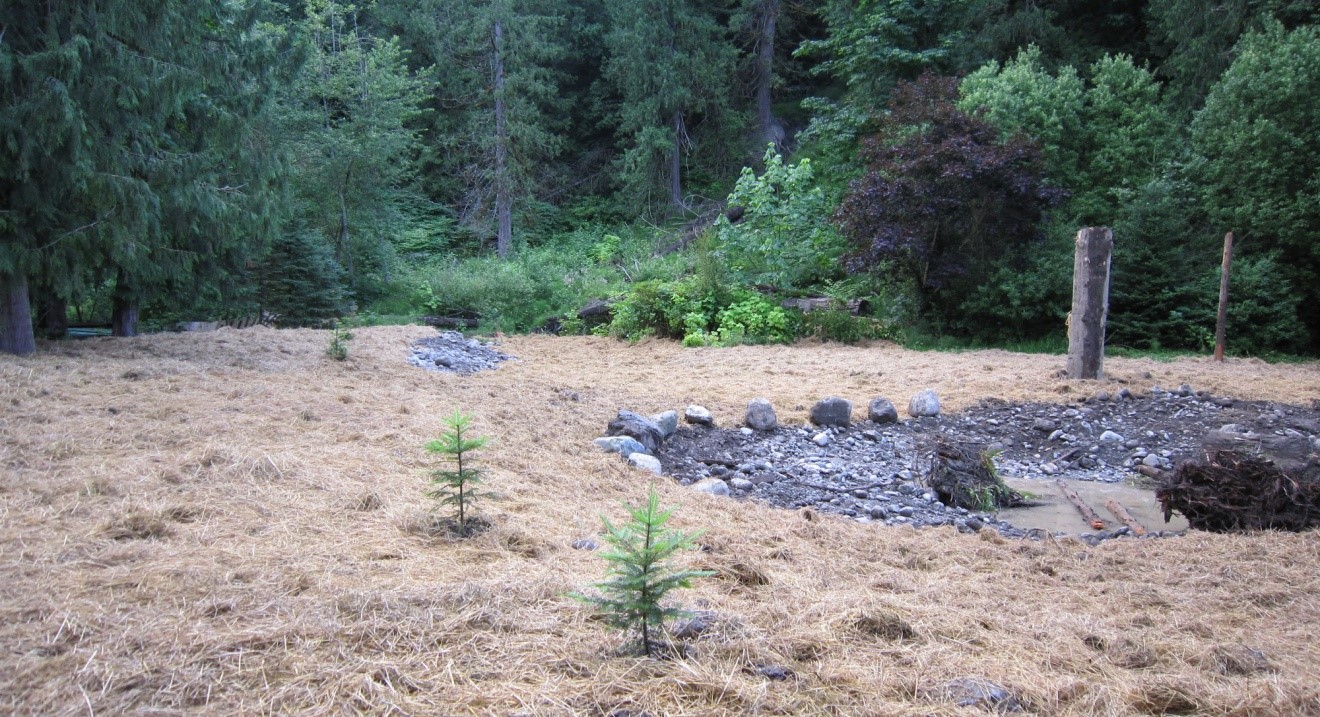
Many of the trees planted continue to thrive on the property, and the landscape modifications, such as the pond and overflow diversion channel, remain in place. The largest pond that was created retains water year-round and even during the summer drought of 2023.
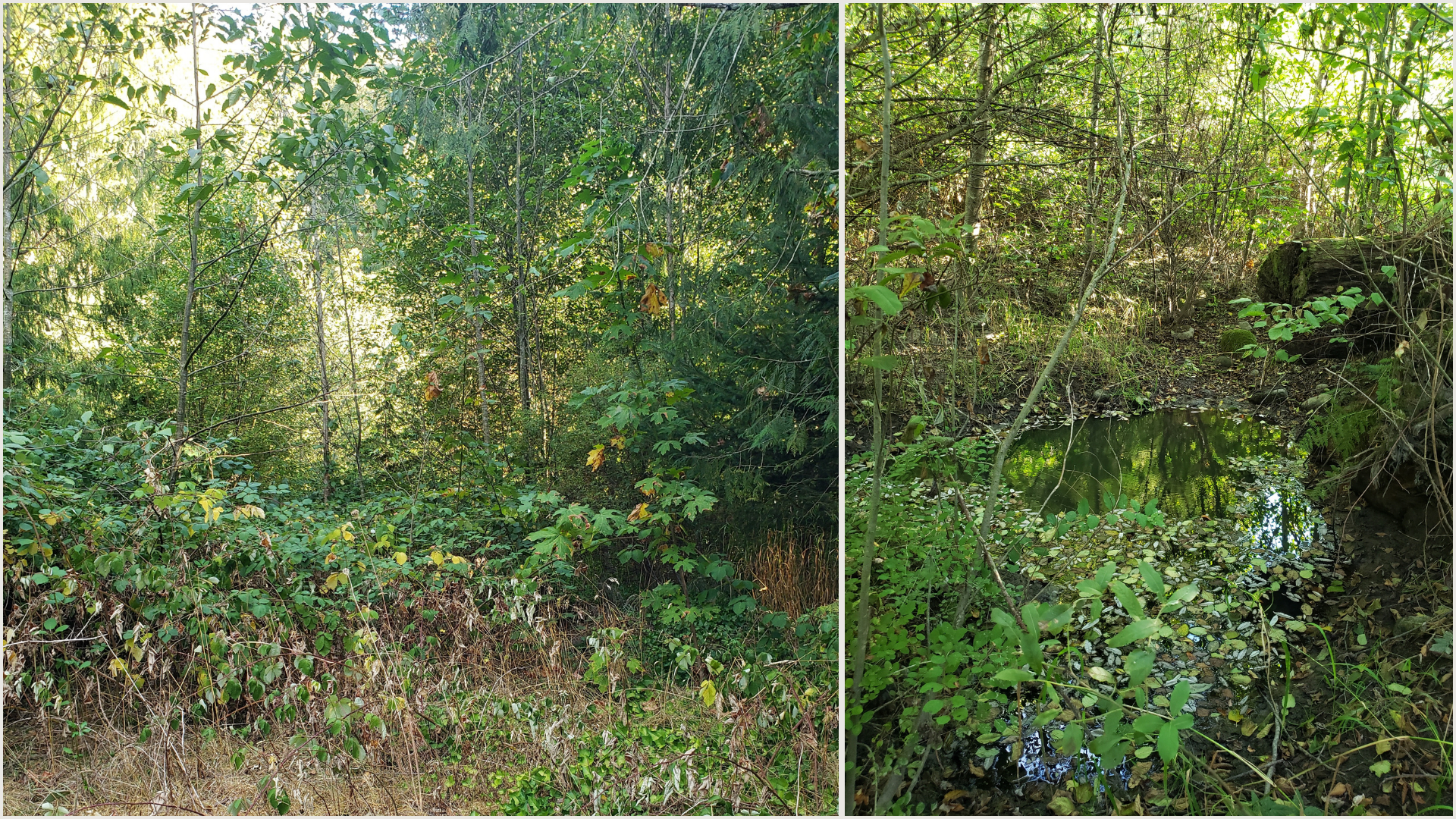
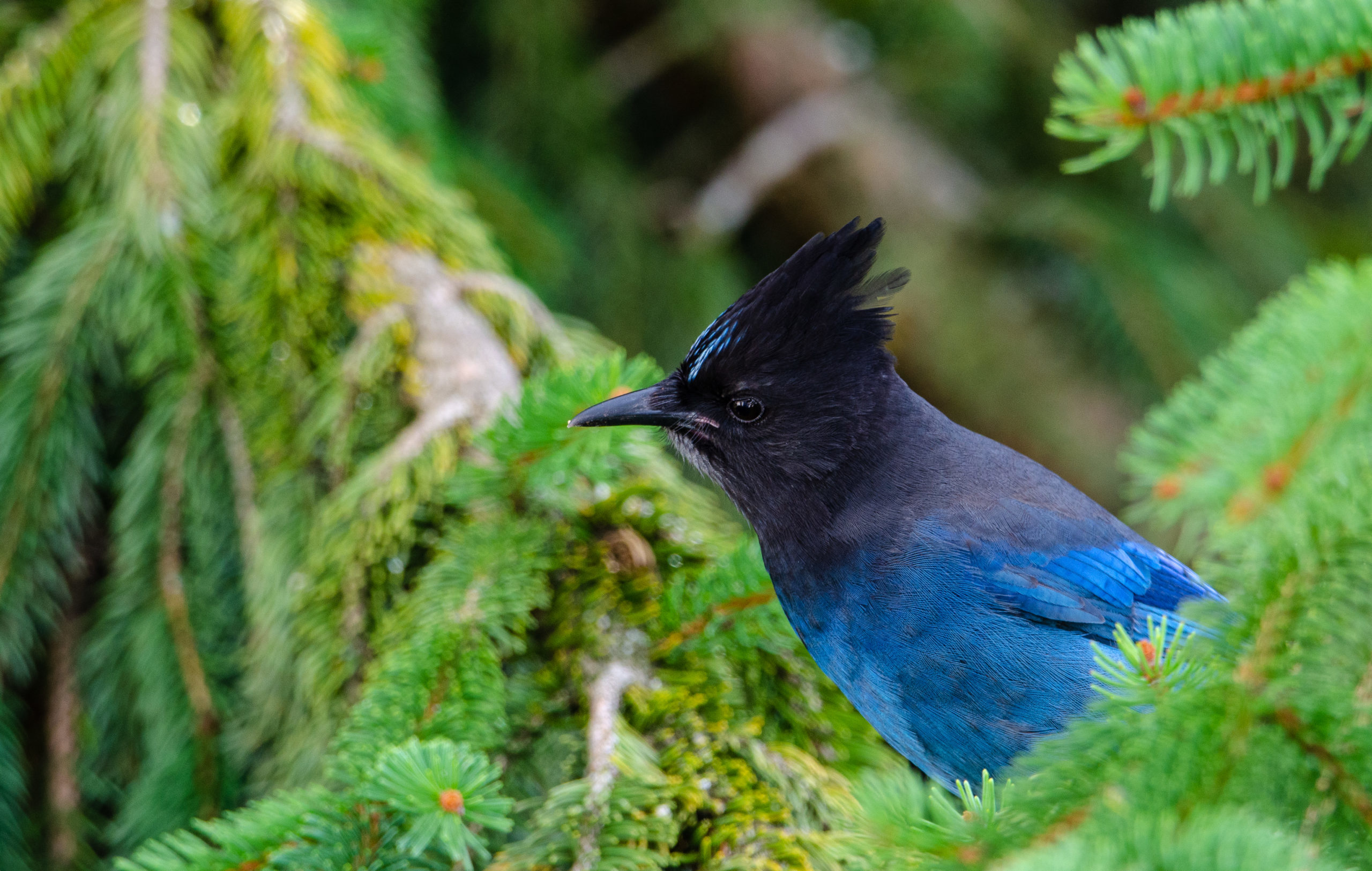
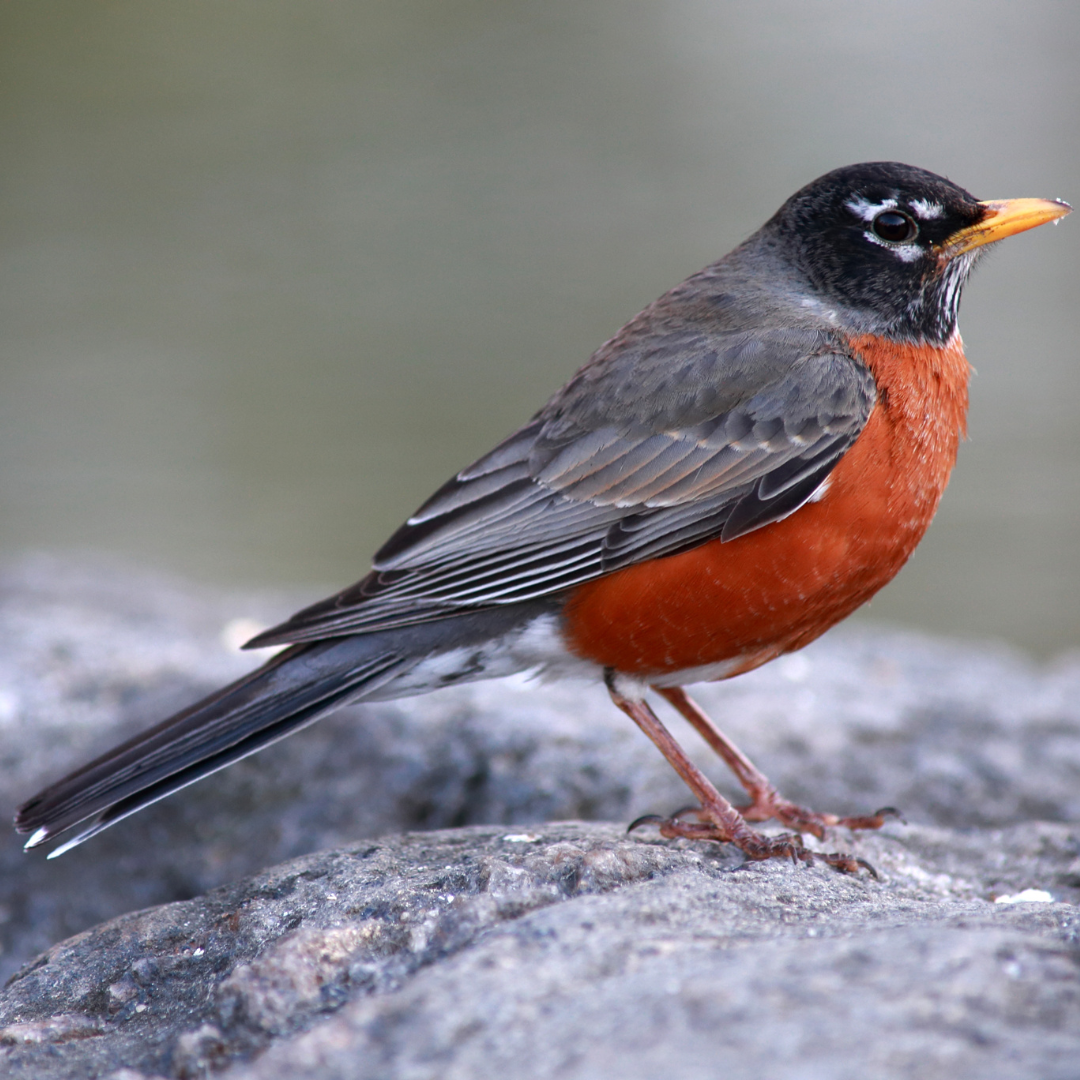
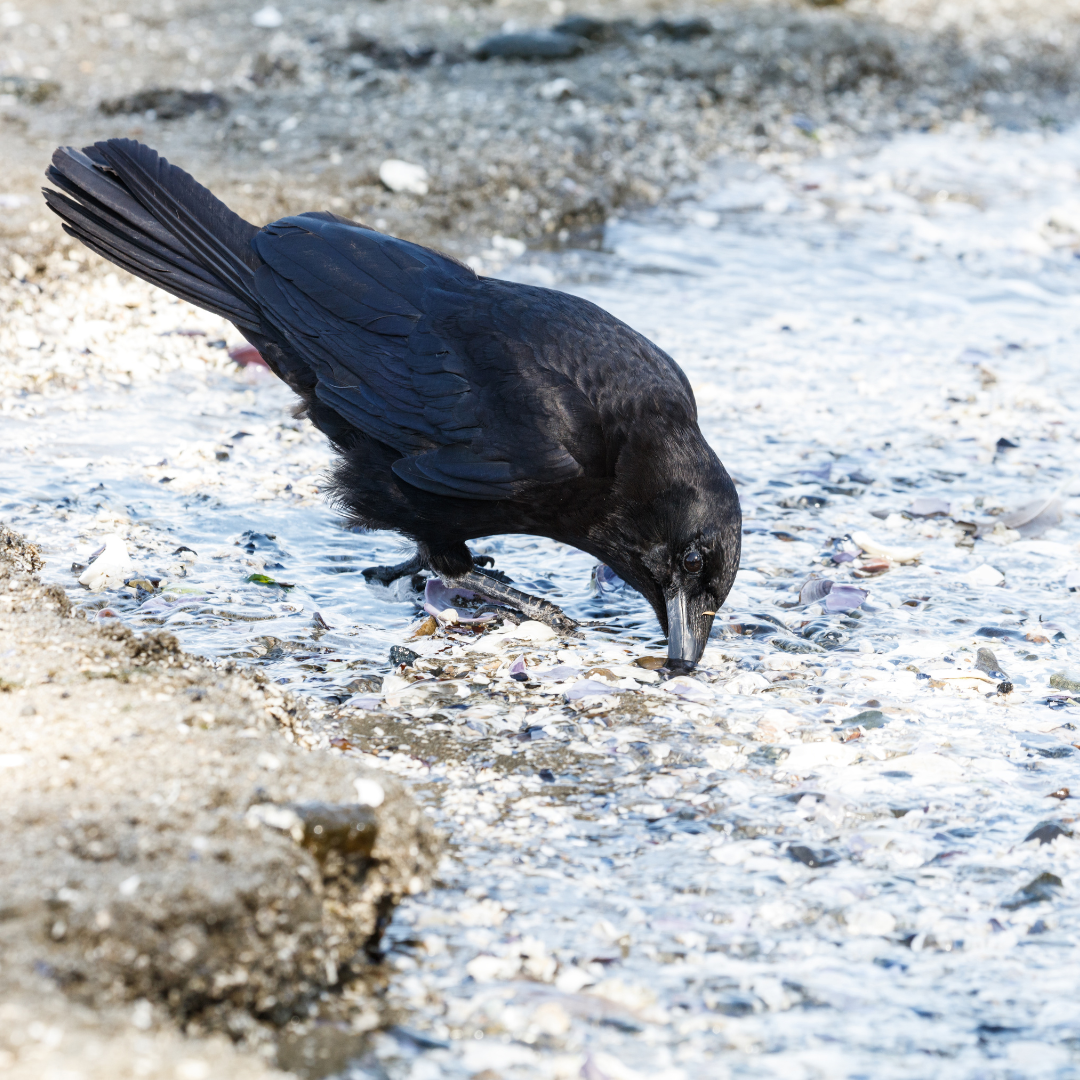
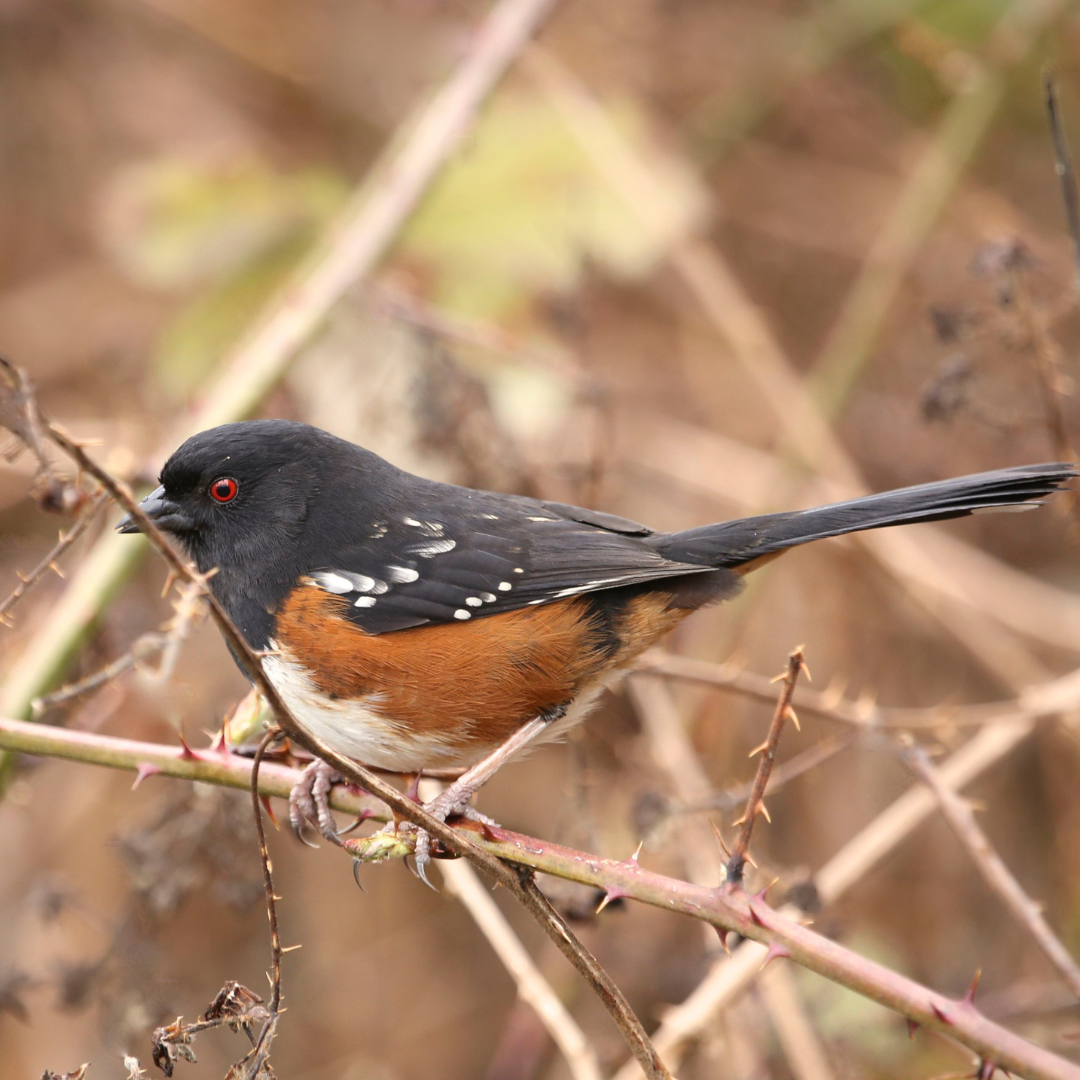
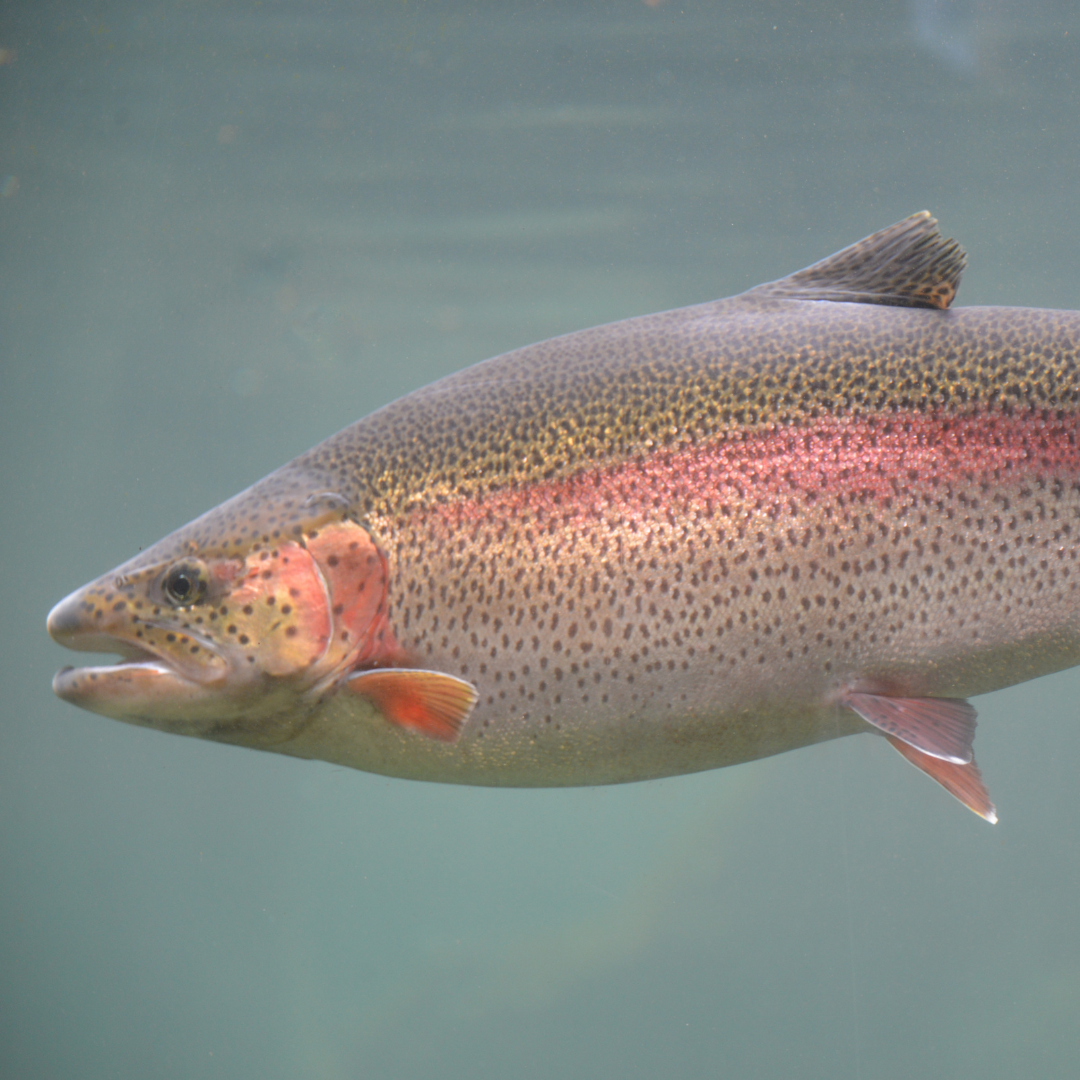
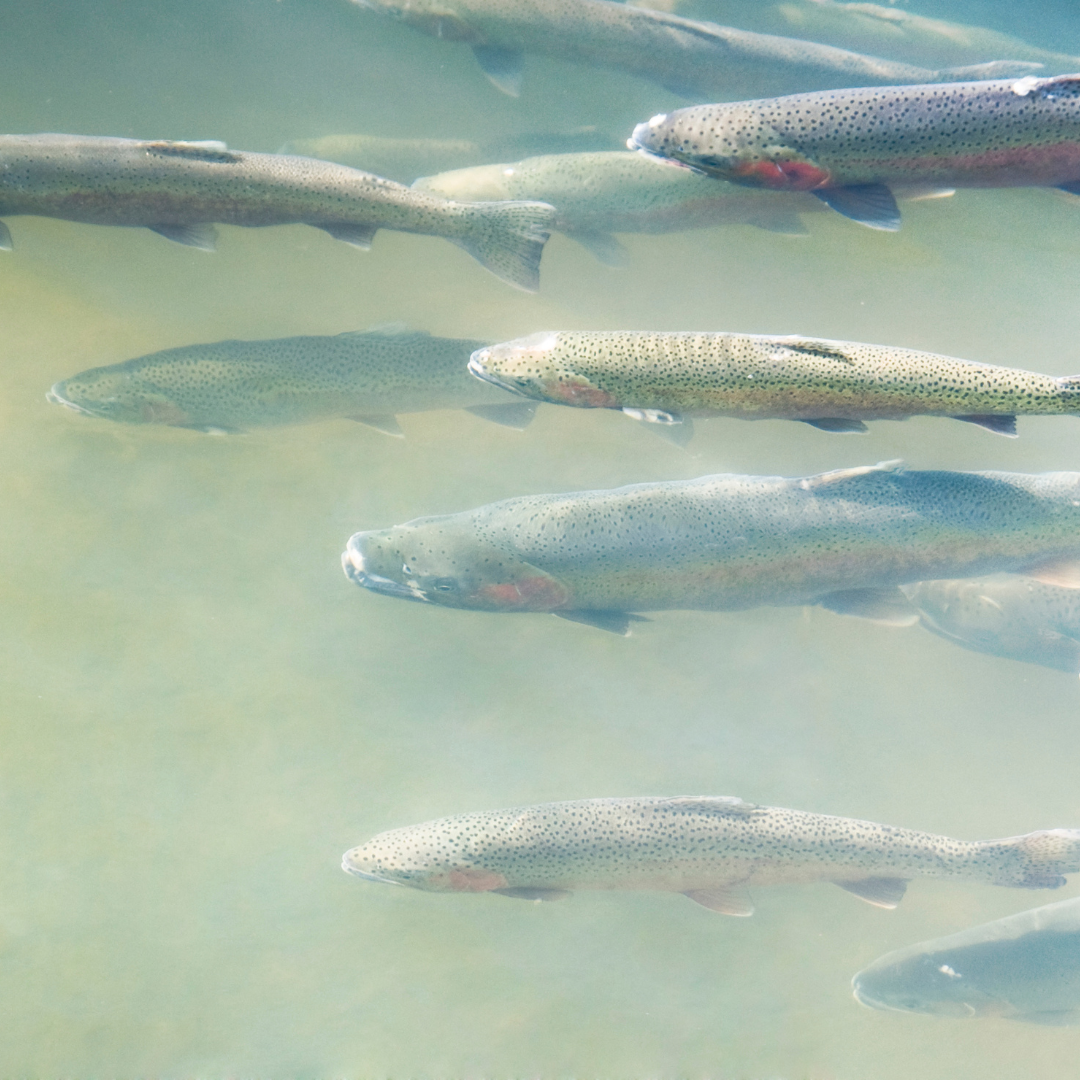
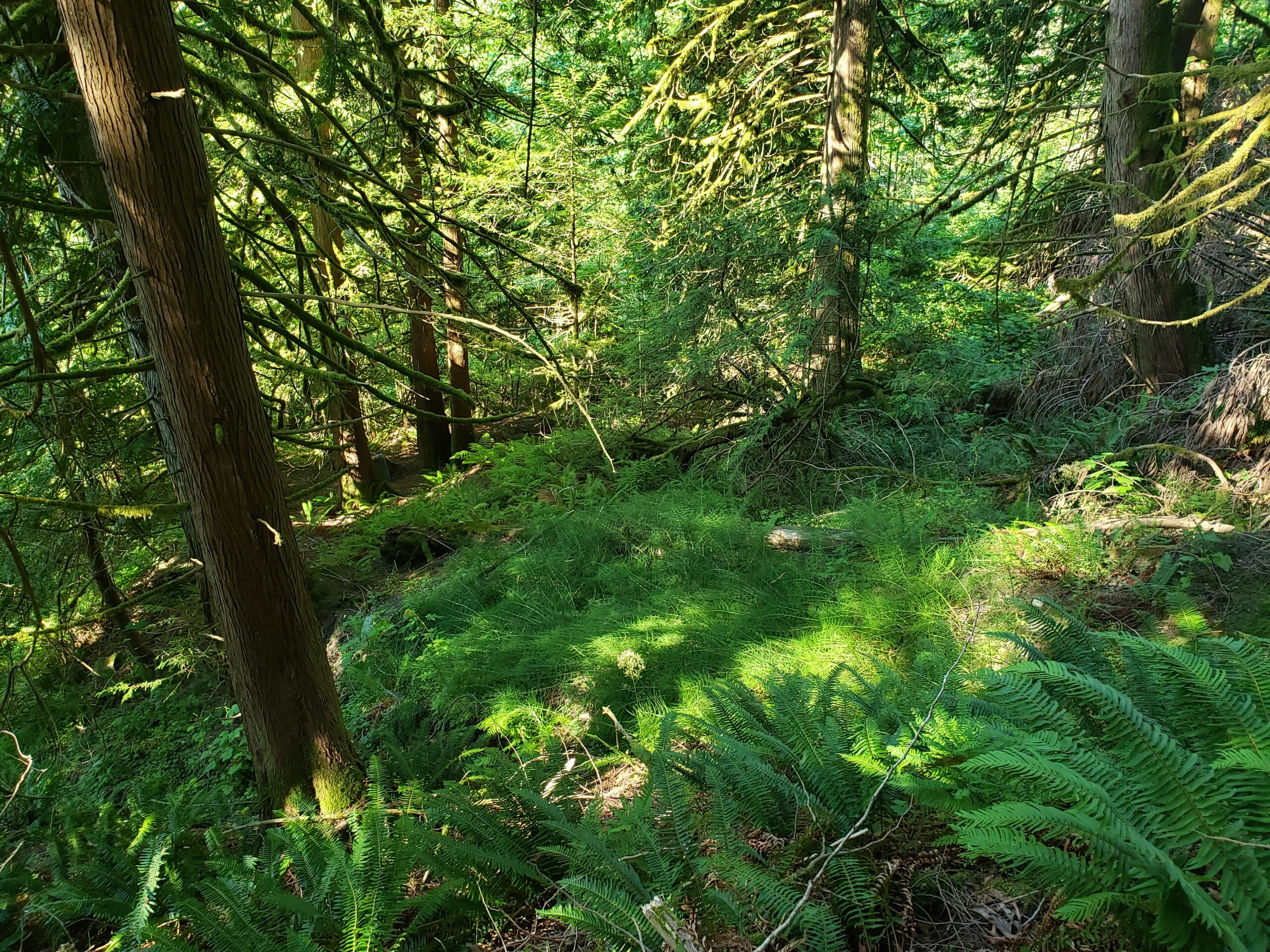
The following natural features of the property, including its watercourses, large trees, vegetative communities, and habitat connectivity, support local biodiversity and provide essential ecosystem functions.
Our work to manage and protect the Ryder Creek property is made possible by the the support of the Habitat Conservation Trust Foundation, generous support from our dedicated donors, as well as Priority Places Program funding from Environment and Climate Change Canada.