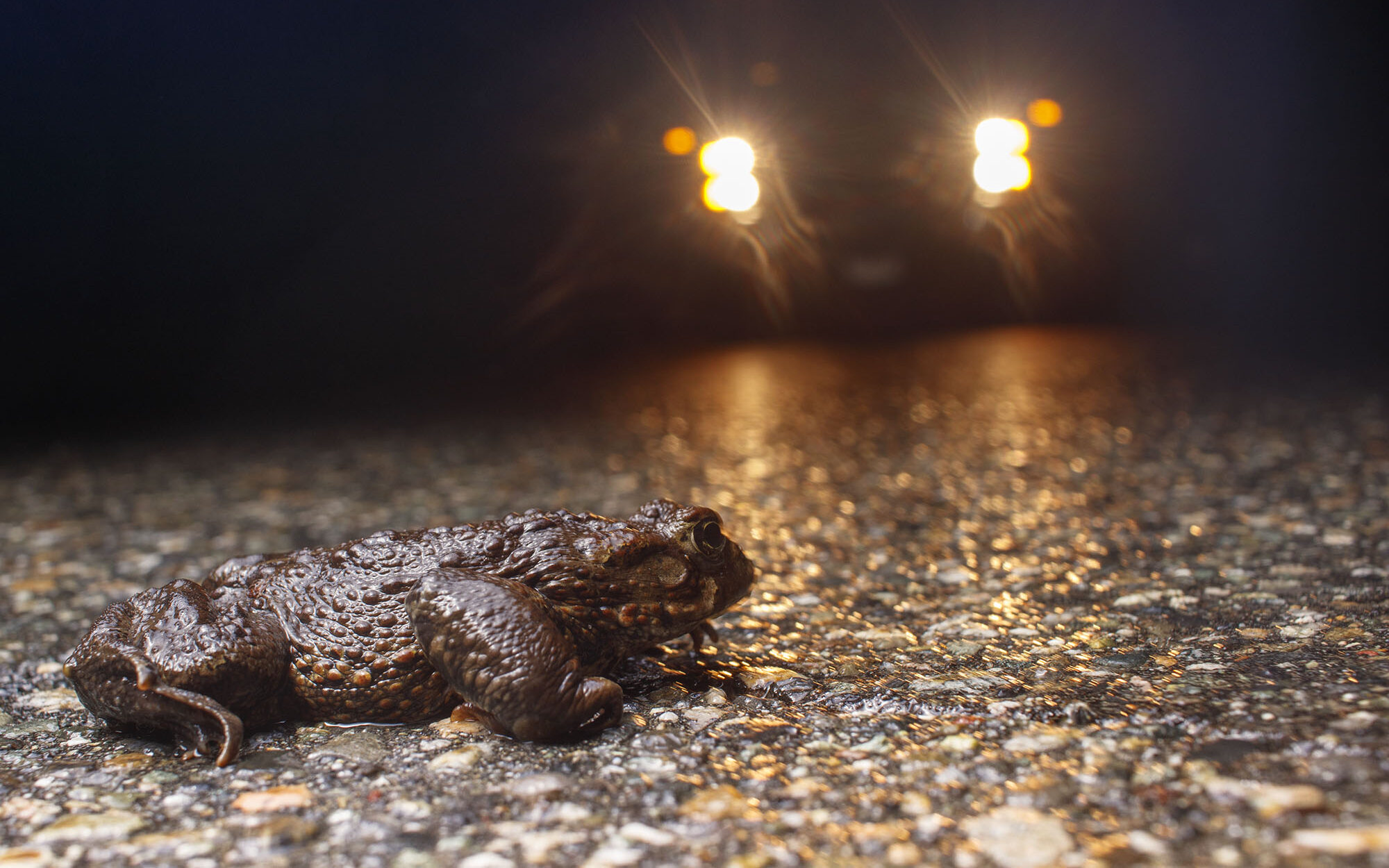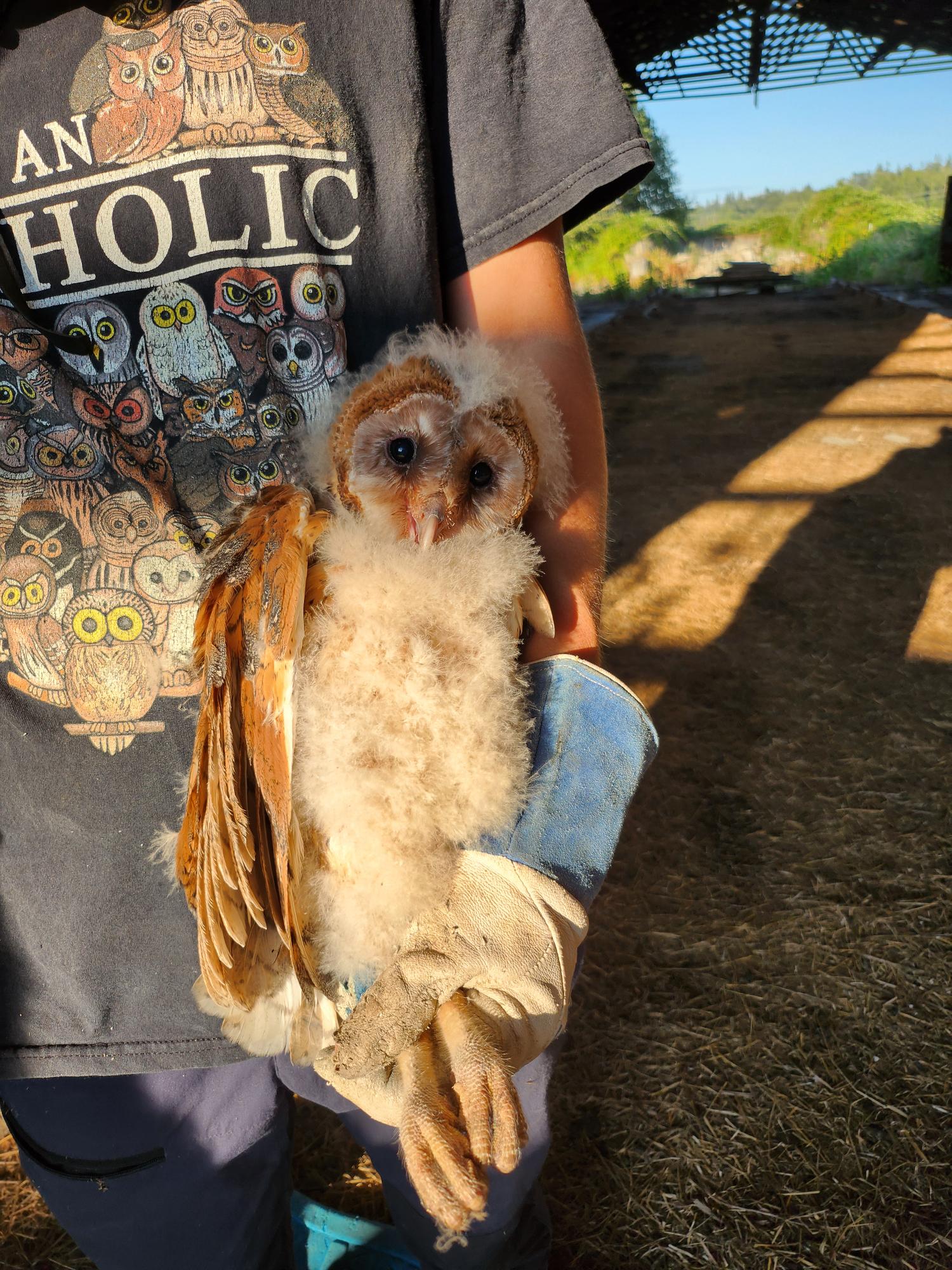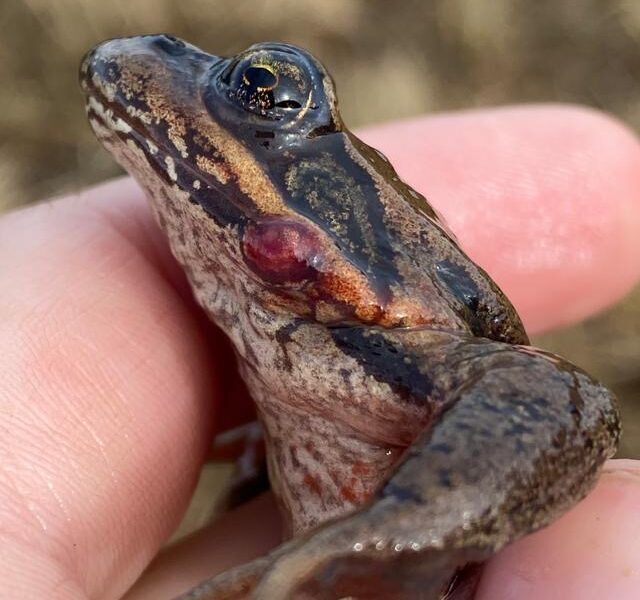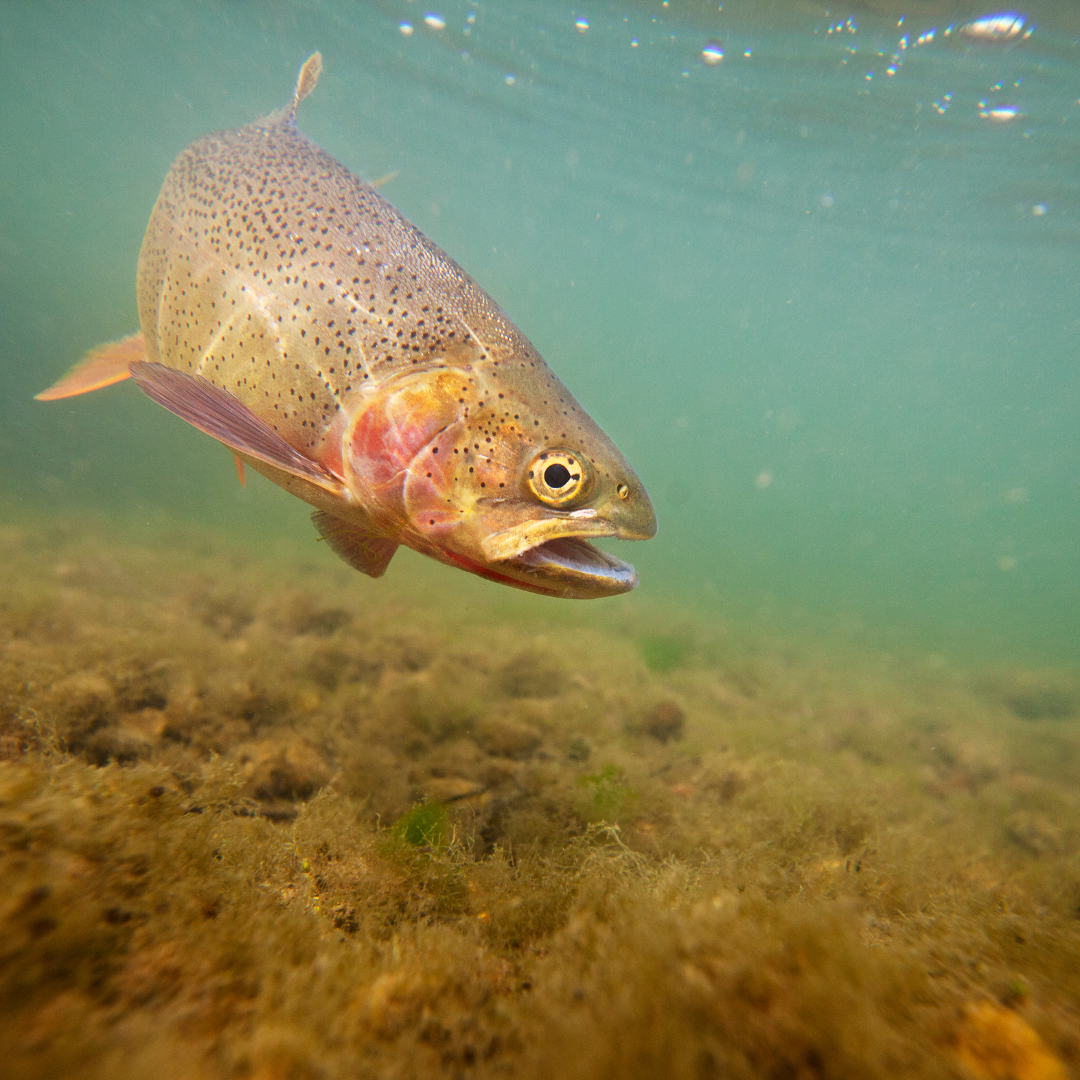
Leave it wild

Can I keep it, Mom?

Almost every child who explores nature has said these words at some point in their lives. A baby garter snake, a colorful turtle, or an unaware treefrog are often the subjects of this question after being captured by young and eager hands.

It’s easy to want a bit of nature in your life and it seems harmless to take a small animal home, whether it be for a pond, aquarium, or terrarium. But as tempting as that is, there are many reasons to leave it wild.

What are we talking about in this post?

  • What (not) to do if you find a wild animal
  • Why you shouldn’t move wildlife
  • Why taking animals harms ecosystems
  • How moving animals spreads invasive species
  • Why wild animals do not make good pets
What do I do if I find an animal in need of help?

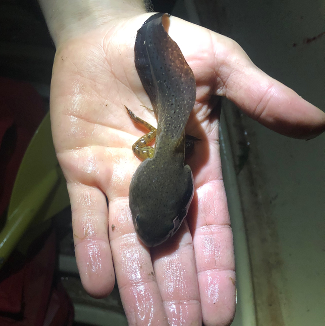
Many well meaning people take animals from the wild on the assumption they need to help it. But often the animal is just fine and will be on its way soon. A frog that made its way into your backyard will move on soon. Tadpoles in a small pond will likely be alright. A young fawn hiding in the grass is simply waiting for its mother to return.

In the event you found something that looks like it needs help, or have questions the best thing you can do is contact an expert.


Experts to contact


For mammal, amphibian, reptile or bird rescue you can contact the: Wildlife Rescue Association (Burnaby)

For mammal rescue you can contact: Critter Care Wildlife Society (Langley)

For raptor rescue you can contact: OWL Rehab (Delta)

For amphibian information you can get in contact with us through our Frog Finders program: Frog Finders

Photos and as much information as you can give is useful when talking to a rescuer or expert.

The Wildlife Act

In BC, all species of animals living in the wild are regulated by the Wildlife Act. This governs all manner of activities such as hunting, fishing, trapping, and possession of wildlife. If you take a wild animal from its natural habitat on a whim, you are in violation of this act. This is something to avoid, especially considering the fines for breaking this act were more than doubled in 2024.

To keep things simple without delving into the depths of legislation, it is illegal to transport or possess native species in British Columbia without a permit. These permits are part of a lengthy process that require government review. They must be approved BEFORE acquiring an animal from the wild. In other words, a person cannot take something and try to fill out permits after the fact. It is also highly unlikely that permits would be granted unless the person in question is a trained wildlife rehabilitator or in a similar profession.


Diseases and their transmission

The native plants and animals in BC have lived here for millennia and are adapted to their local environment. But with the advance of humanity over the last hundred years, things have changed faster than ever before. New diseases are appearing all the time, coming from far off regions of the world or mutating from existing illnesses. Pathogens that never used to be a problem for the animals here are now major threats, including but not limited to: white-nose fungus in bats, Chytrid fungus in amphibians, Avian flu in birds, and whirling disease in fish.


So how does this relate to leaving animals in the wild?

Moving animals, both native and invasive, carries the risk of taking their illnesses with them. Even for experts, it can be incredibly difficult to detect whether an animal is sick. Reptiles and amphibians in particular are masters of concealing illness until it is so advanced the animal is near death. Even if an animal is not affected by a disease, it can be a carrier of the pathogen and can transmit to other individuals or species.

A sick animal that is stressed by captivity will inevitably succumb to whatever disease it already had. Even if that animal is returned to the wild, it has a high chance of spreading its illness to related species are in the area. The only way to prevent this is not to take it. Leave the animals alone.

Taking animals harms ecosystems

Each animal represents an important legacy of survival. They are more than individuals in a population and are essential components of a wild ecosystem that has been functioning for a very long time.

Because many species are already under threat by human encroachment, climate change, and a litany of other factors, any further stresses can cause localized extinction. The removal of even a single animal could be too much if a population is already struggling.

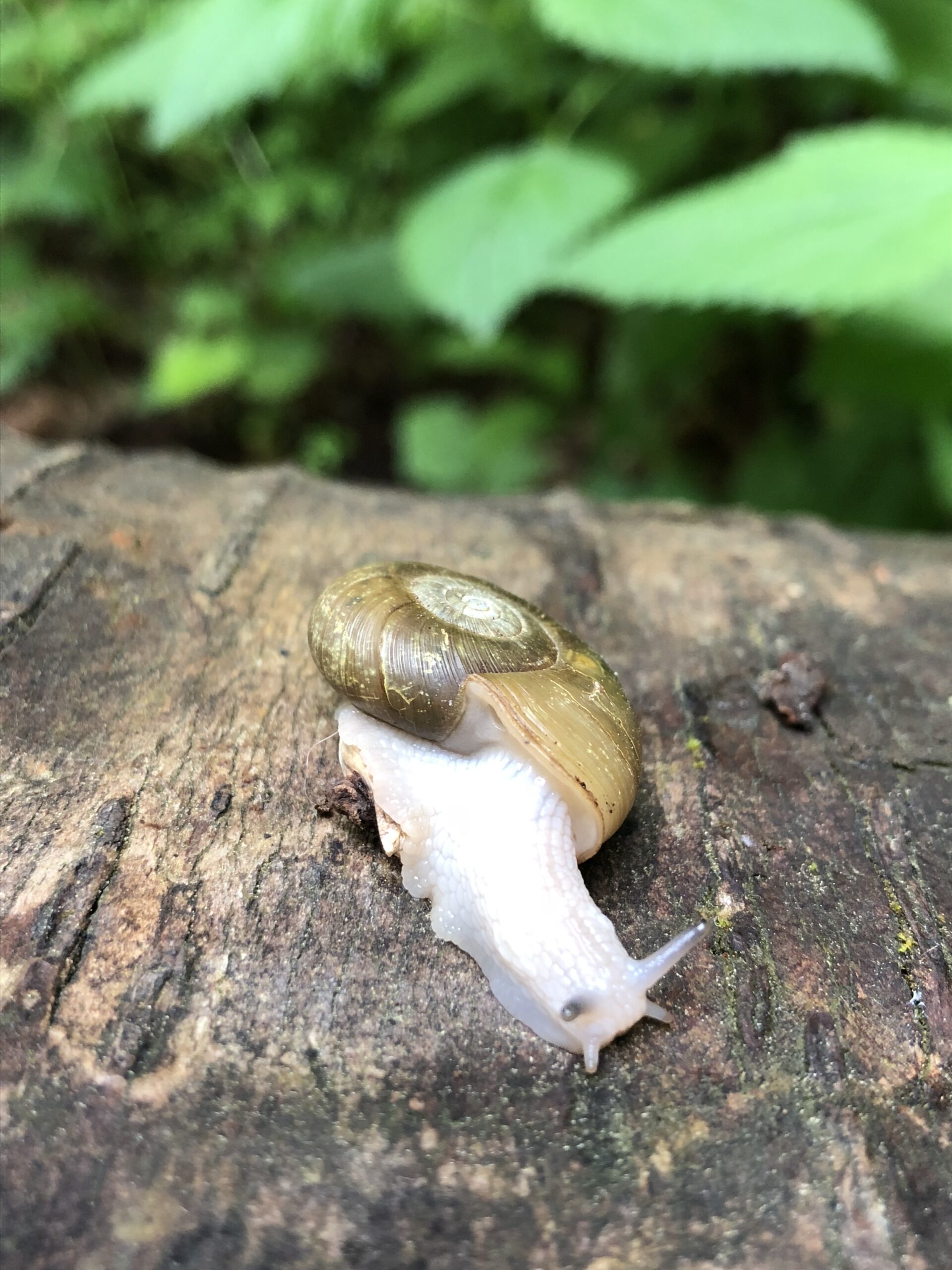
The effects can go even further, with the loss of a species triggering a cascade of effects that has far-reaching consequences. For example, the removal of a few snails from an at-risk population causes the local extinction of that species. The birds that used to prey on those snails are now forced to move on or die out. Because the songbird population has been reduced, the raptors that used to prey on them and other small animals are forced to move on. Now the lack of predation causes the rodent population to increase. This cycle can go on and on with even small changes, making things incredibly hard to predict.

Wild animals do not thrive in captivity

Wild-caught animals rarely thrive in captivity and are not suited for a life with humans. Even for people familiar with related species, it is often incredibly difficult to keep a formerly wild animal alive for any length of time. Their specialized care requires trained professionals. Couple this with high parasite loads, dehydration, disease, and other stresses, and it becomes a daunting task to keep any wild caught critter from perishing.


Wild animals are not good pets

If you or your family wants an exotic pet, seek a reputable adoption service. Many common pet (non native) reptiles, amphibians, birds and mammals are surrendered and need well researched and knowledgeable homes. Do your reading first and one of these captive-bred animals will be a much happier, healthier companion than a wild caught animal could ever be.

Stop the spread, don't let it loose

Yet another issue with taking animals from the wild is the threat of spreading invasive species. Non-native species occupy many habitats within BC and can be found commonly within disturbed areas near where people live.

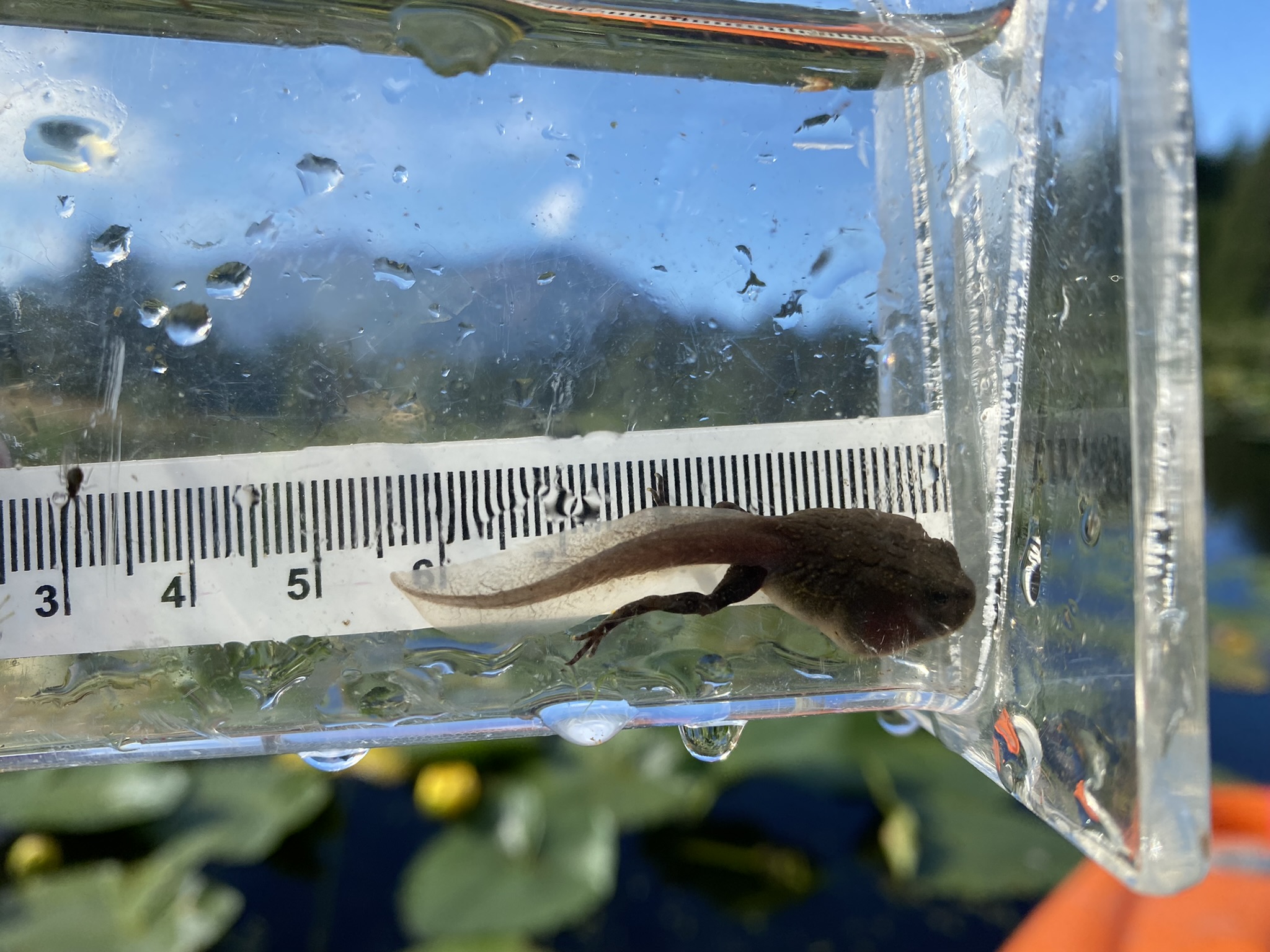
These problem species are not always easy to identify without professional training. By taking these invasive species and moving them around, humans contribute to their spread and the negative effects on native ecosystems. An example would be bringing home some eggs from a pond to watch them grow into tadpoles and maybe even frogs. However, easy to find eggs and tadpoles are often invasive species that will harm the native amphibians when released back into the wild.

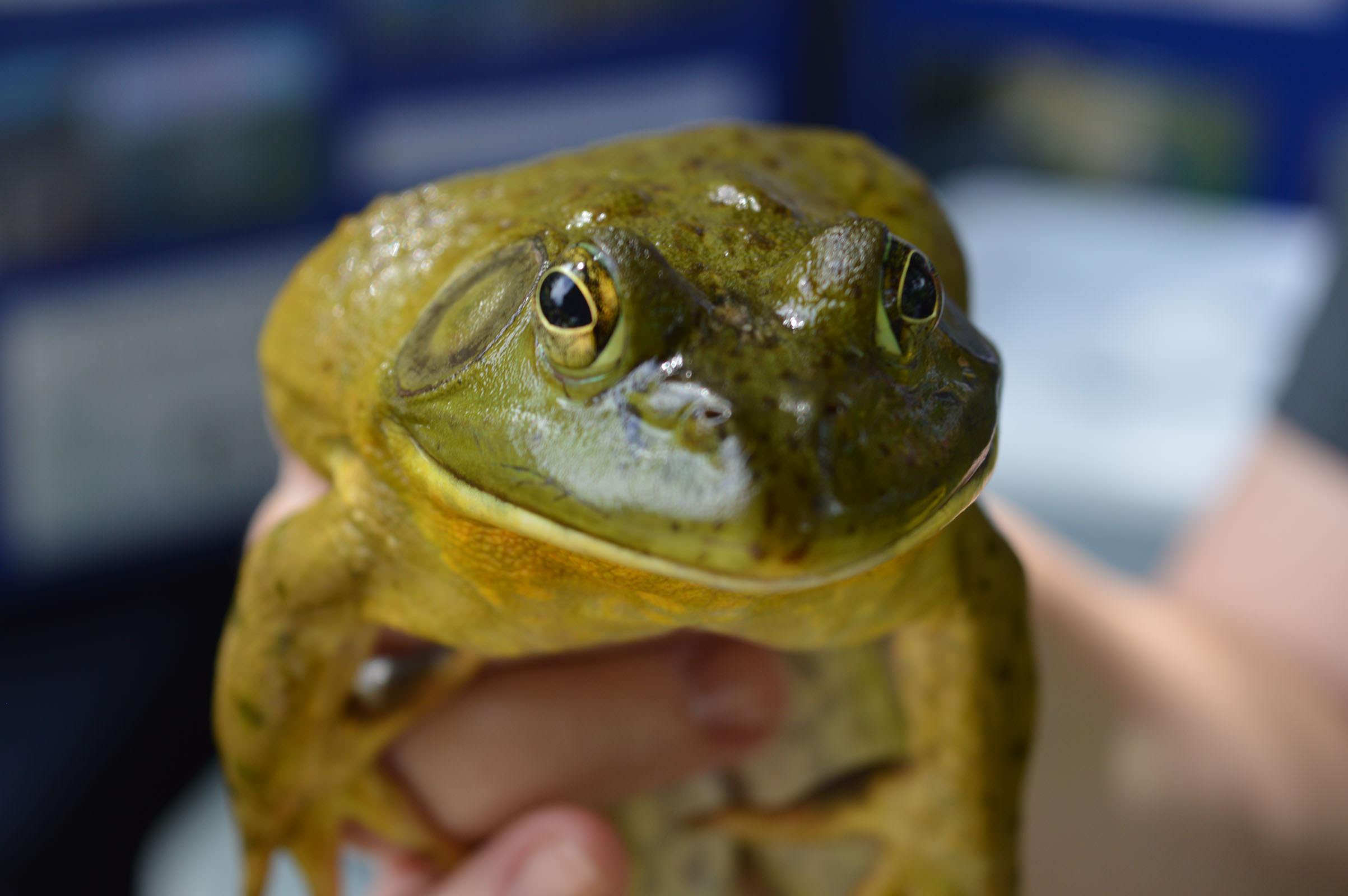
There are abundant examples of invasive species being spread like this, including American Bullfrogs, Green Frogs, Pumpkinseed fish, Smallmouth Bass, and many more.


Not just animals

As a note, even though this article is about animals, many of these same things apply to plants as well. Never move unidentified seeds, soil, flowers, stems, or rhizomes (roots).

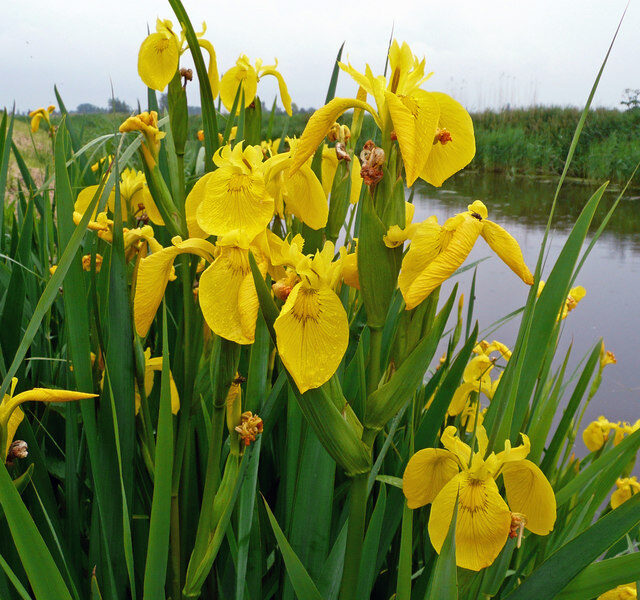
A surprisingly common source of these invasive plants is garden centers and online sales. Species such as Yellow flag iris and Yellow archangel (lamium) can be found for sale at times. Make sure you do your research and avoid purchasing potentially invasive plants.

Want to learn more? Check out these invasive species societies:

Invasive Species Council of BC

Invasive Species Council of Metro Vancouver

Fraser Valley Invasive Species Society