
Hello Neighbour!

This page is for neighbours of our Three Creeks property on McKee Peak.

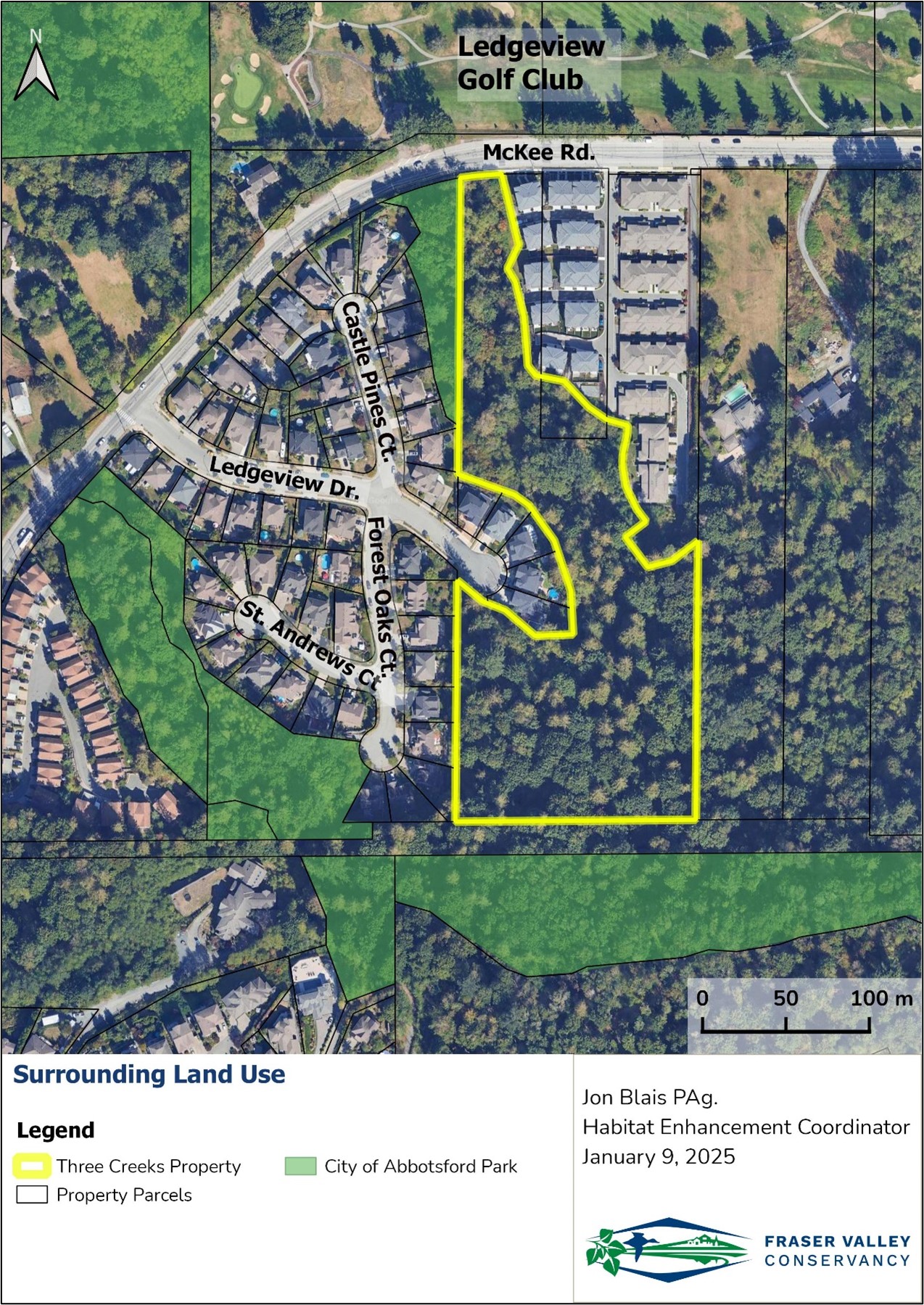
The yellow outline on the map shows the Three Creeks property lines so you can figure out where you live in relation to our conservation property.

We are so glad you’re interested in working with us to keep the ecosystem of McKee Peak healthy and happy!

Read on to learn how you can help protect the habitat and learn more about the critters who call it home.

Please fill out our neighbour survey, so we can learn more about you and how best to keep in touch.
How You Can be a Good Neighbour

Choose Your Garden Plants Wisely

We work hard to manage the invasive plant species on the property which tend to take over and out-compete the native plants that the wildlife depend on.

When you choose plants for your own garden, try to select species that won’t escape. If you’re not sure what good alternatives are, check out our native plant gardening page and this Grow Me Instead pamphlet.

Dispose of Your Yard Waste Appropriately

Occasionally people will dispose of yard waste over the fence thinking it’s okay since it is natural and will decompose. While this is true, it’s also how many of the invasive species arrived on the property and it can spread plant diseases.

Please dispose of your clippings either in your own backyard compost bin or by putting them in your compostables cart for pick up by the city.

Make Sure Your Garbage is Secure

The McKee Peak area is home to a number of hungry bears. There is lots of natural food for the bears in the forest.

When you leave garbage out unsecured, you’re inviting them to visit. Unfortunately, when they do, they tend to drag garbage bags back out into the forest before they tear them apart looking for something they like.

Human garbage is like junk food for bears and is a treat they will seek out. To keep the neighbourhood bears and humans safe, keep all garbage secure and don’t put it out until the morning of pick-up day.

The City has listed a number of other tips for those of us living with bears in our neighbourhood.

Call us if You See People on the Property

When people come onto the property without permission, they risk trampling plants and disturbing the many animals that live there. Other people might be there to illegally dump garbage or build trails.

When we are working on the property we will happily introduce ourselves and are usually wearing hi-vis vests.

Your eyes on the land are important to us! If you notice suspicious activity, please let us know by calling 604-625-0066 or emailing outreach@fraservalleyconservancy.ca

Keep Your Pets at Home

Your pets might seem happy in the outdoors, but they can hurt the natural environment as they damage plants, dig holes, and hunt vulnerable wildlife. Domestic cats especially love to hunt the song birds who live on the property!

We’re not just concerned about birds though, we’re concerned about the safety of your pets. The Three Creeks property is home to a number of predatory animals like coyotes, bobcats, and owls. Sadly, we have found remains of pets on the property.

Keeping your furry friends safe at home is better for both them and the environment.

Avoid Using Pesticides and Other Harmful Chemicals

Using pesticides or other harmful chemicals around your yard can have unintended consequences to nature if they end up in the forest or water. Wind and rain can carry these chemicals onto the property which can kill plants and impact fish downstream. Rat poison, and the rats who have eaten it, can also kill wildlife – especially owls.

Using alternatives whenever you can or using them very carefully if you must, is an important step in preventing this. Here’s a good resource about Reducing Harmful Chemicals in the Garden.

Get Involved in Your Community Planning Process

Development of the neighbouring lands will be happening in the coming years. The process is outlined in the City of Abbotsford’s McKee Neighborhood plan.

These developments will impact the amount of space available for wildlife and some of the water drainage patterns on the mountain. You can learn more about this on our Speak for the Peak page.

As nearby developments seek approval from City Council, local residents may be asked for their thoughts through public hearings. Keep an eye out for these consultation notifications in your neighbourhood, and speak for the environment where you can.

Learn about your backyard biodiversity with iNaturalist

If you are looking for more information about what lives just across the fence or in the general Fraser Valley, then look no further than iNaturalist. Available as an app on your phone or as a website, this popular program is one of the best resources out there for species ID.


If you live near Three Creeks, check out our iNaturalist project dedicated to it. We encourage all neighbors to submit what they see and share the incredible biodiversity of this area.

Mammals

  • Black Bear (Ursus americanus)
  • Coyote (Canis latrans)
  • Black-tailed Deer (Odocoileus hemionus columbianus)
  • Bobcat (Lynx rufus)
  • Cougar (Puma concolor)
  • Porcupine (Erethizon dorsatum)
  • Raccoon (Procyon lotor)
  • Eastern gray squirrel (Sciurus carolinensis) – non-native
  • Douglas squirrel (Tamiasciurus douglasii)
  • Field mouse (Microtus pennsylvanicus)

Birds

  • Barred owl (Strix varia)
  • Golden-crowned Kinglet (Regulus satrapa)
  • Red-breasted Nuthatch (Sitta canadensis)
  • Black-capped Chickadee (Poecile atricapillus)
  • Ruby-crowned Kinglet (Corthylio calendula)
  • Song sparrow (Melospiza melodia)
  • Hairy woodpecker (Leuconotopicus villosus)
  • American robin (Turdus migratorius)
  • Spotted towhee (Pipilo maculatus)
  • Dark-headed junco (Junco hyemalis)
  • Red-tailed hawk (Buteo jamaicensis)
  • Cedar waxwing (Bombycilla cedrorum)
  • Brown creeper (Certhia americana)

Reptiles and Amphibians

  • Northern Red-legged Frog (Rana aurora)
  • Pacific Tree Frog (Pseudacris regilla)
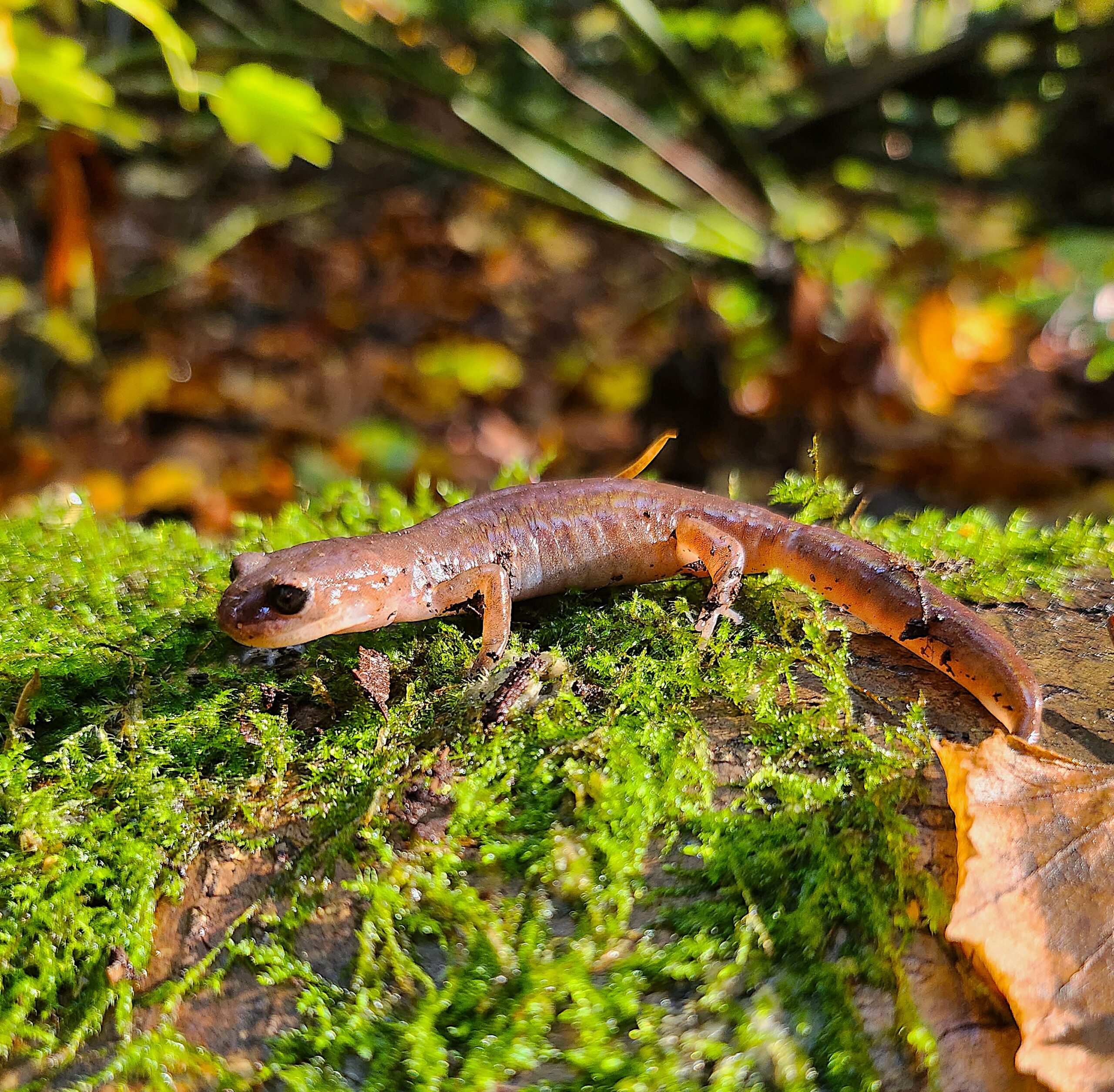
  • Ensatina (Ensatina eschscholtzii)
  • Northwestern Garter Snake (Thamnophis ordinoides)

Invertebrates

  • Oregon Forestsnail (Allogona townsendiana)
  • Pacific Sideband snail (Monadenia fidelis)
  • Lancetooth snail (Haplotrematidae family)
  • Northwest Hesperian snail (Vespericola columbianus)
  • Pacific Banana slug (Ariolimax columbianus)
  • Arion slug (Arion vulgaris) – non native